
Teaching Philosophy
My teaching strengths lie in a blend of the theoretical, aesthetic, and technical. I’m comfortable teaching higher level courses dealing with conceptual issues of production but also enjoy working with younger students to develop ideas, methods, and technologies. Because what’s possible continually evolves, part of my role as an educator is to support innovation and forward thinking with an eye towards over the horizon trends.
I believe that contemporary practitioners work in a larger matrix of visual culture and my courses tend to be directed from a blend of art, design and technique. My goal is to provide students with an understanding of the way visual images are made in our culture, how ideas are communicated, and then provide students with the technical knowledge to achieve high quality work. It is the mixing of these different sides of cultural production that allow for truly deep investigations. Towards those ends, my students bridge the gap between what’s possible and what the artistic eye sees.
My teaching style has been described as “entertaining and thorough…[with] good energy” and that I am “patient” and “very good at explaining...”. My course work includes technical 3d courses for Animation, Modeling, and Rendering as well as design driven courses in Game Design and Theory, Motion and Interaction Design, and graduate seminars in Motion Graphics as Fine Arts. I’ve taught all levels from precollege to graduate students but specialize in aesthetically driven design courses using emerging technology.
EXPERIENCE:
Adjunct Instructor
BFA/MFA Computer Arts, School of Visual Arts
New York, NY
2000-2014
Assistant Professor
BFA Computer Art and Technology, Mercy College
White Plains, NY
2004-2006
Instructor
MA Center for Advanced Digital Applications, NYU
New York, NY
2002-2004
Teaching Resume

Evaluations






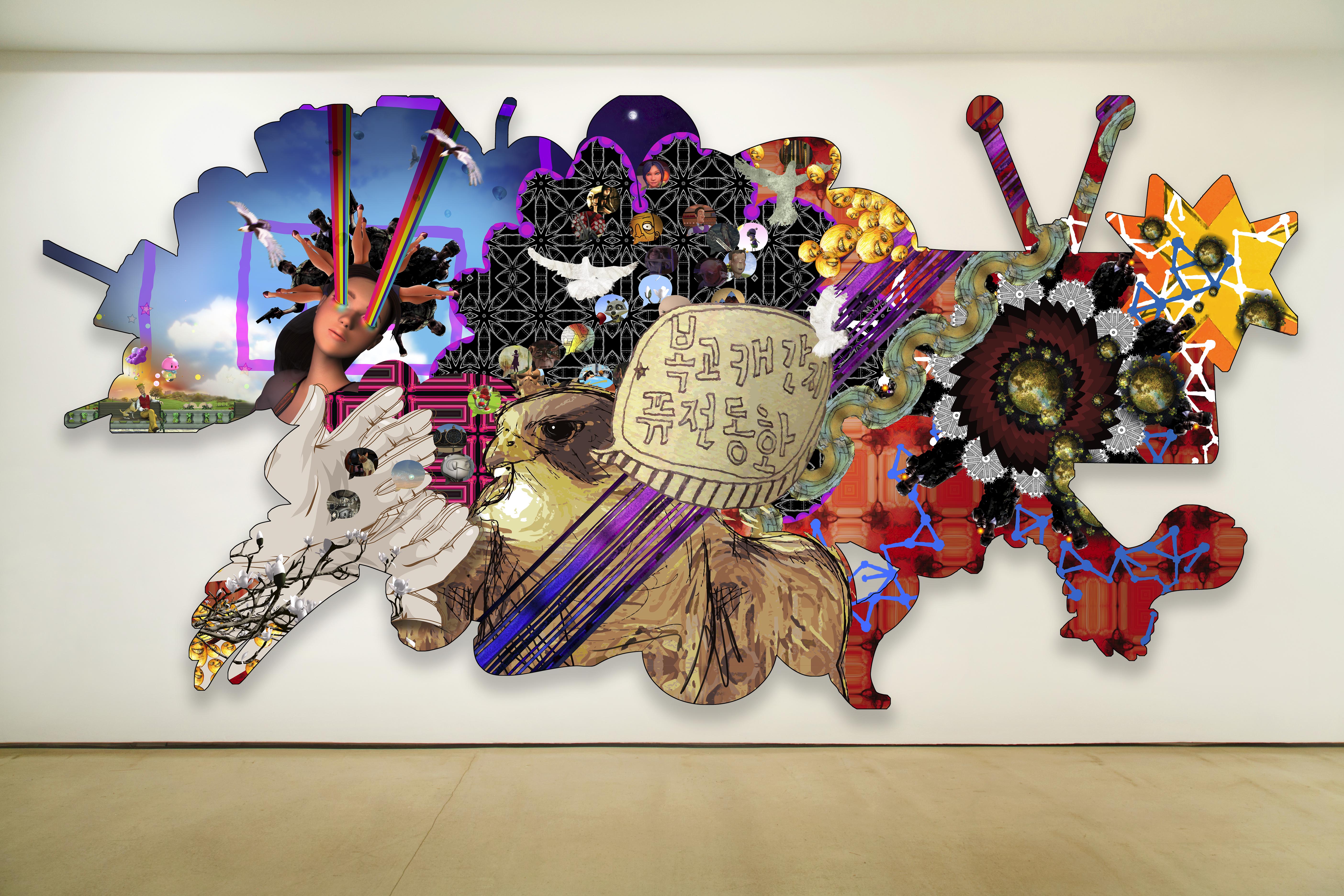
Student Examples
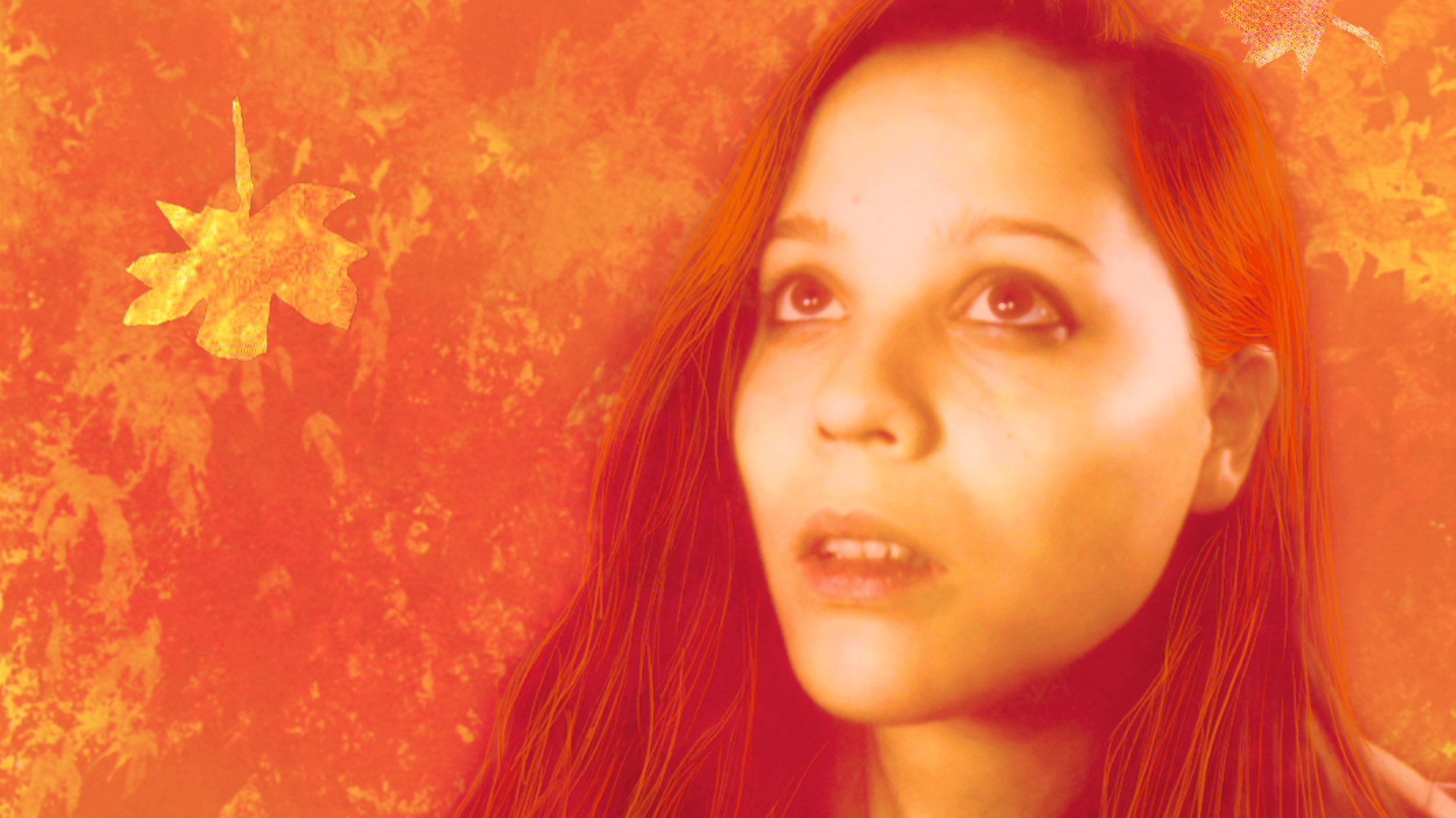
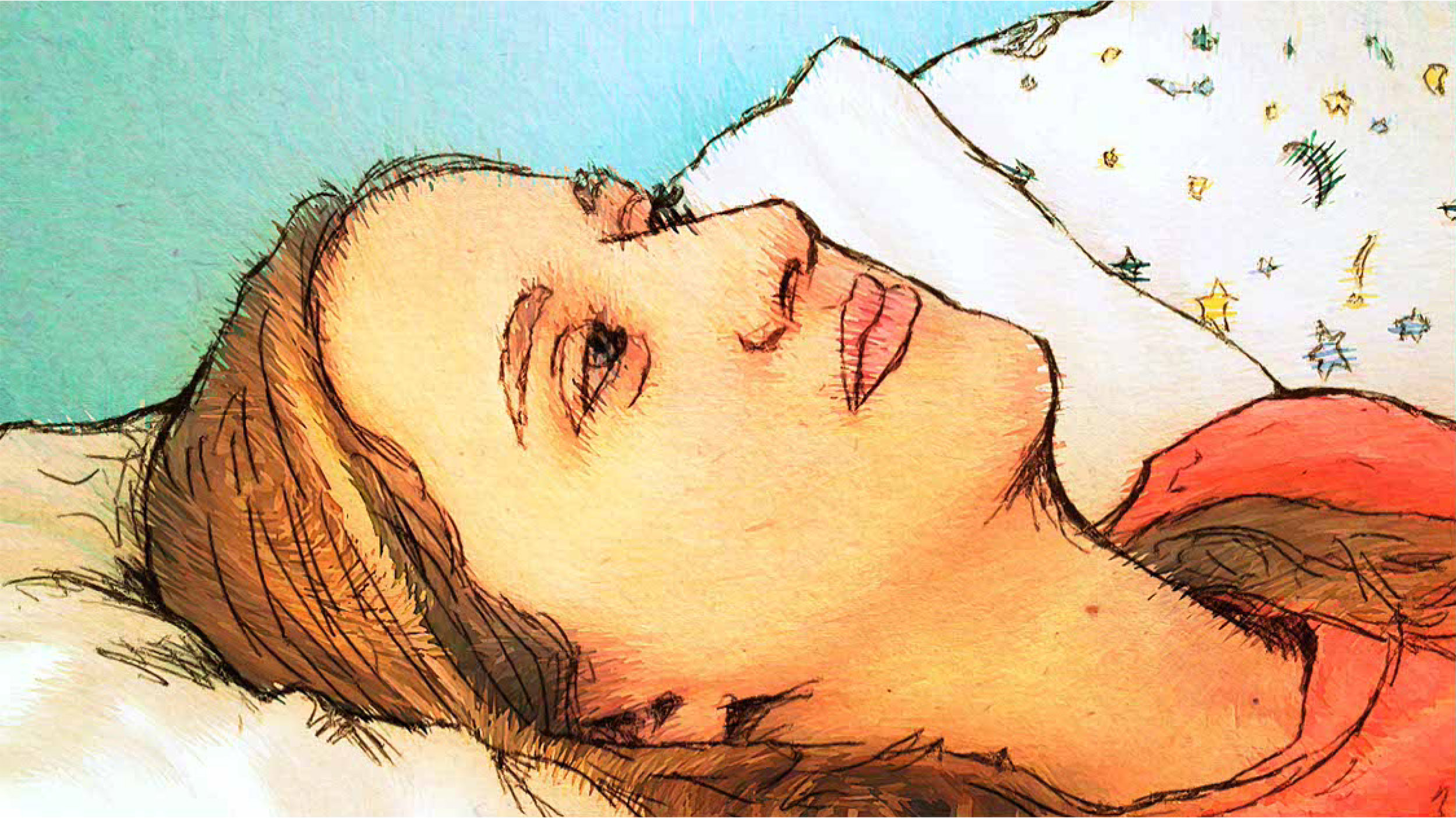
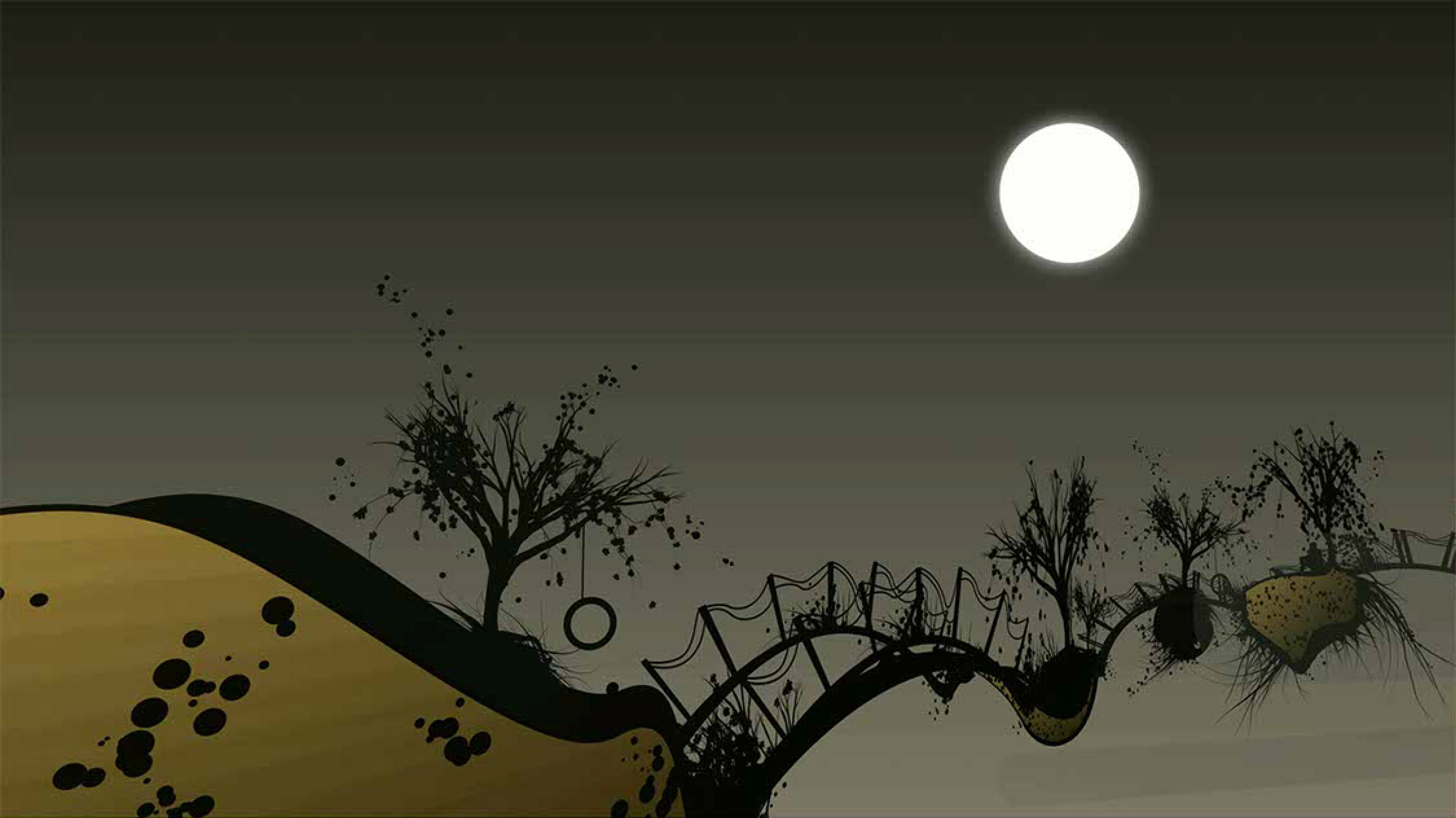
Game Design and Production
Deals with basic theory of game play and development and advanced methods for building game elements through a combination of traditional art skills, 3d applications and commercial game engines. Interactivity and the technical issues involved in creating successful interactive imagery are covered. Game Design I focuses on the mechanics of play and what makes a successful game engaging and enjoyable. Using pencil, paper and software, students learn how to create, playtest, critique, and revise games. Game Design II is split between a six week character modeling seminar and a nine week production studio to learn how games in the real world are put together.
 Game Design I PDF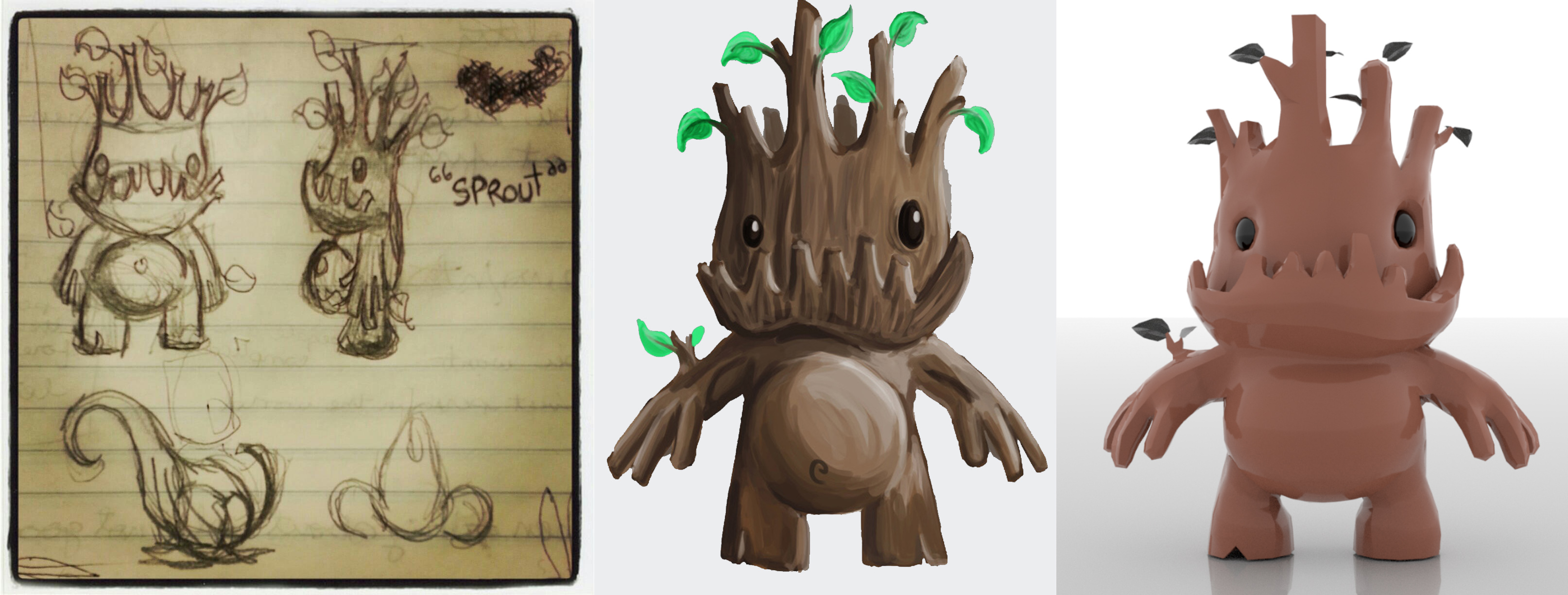
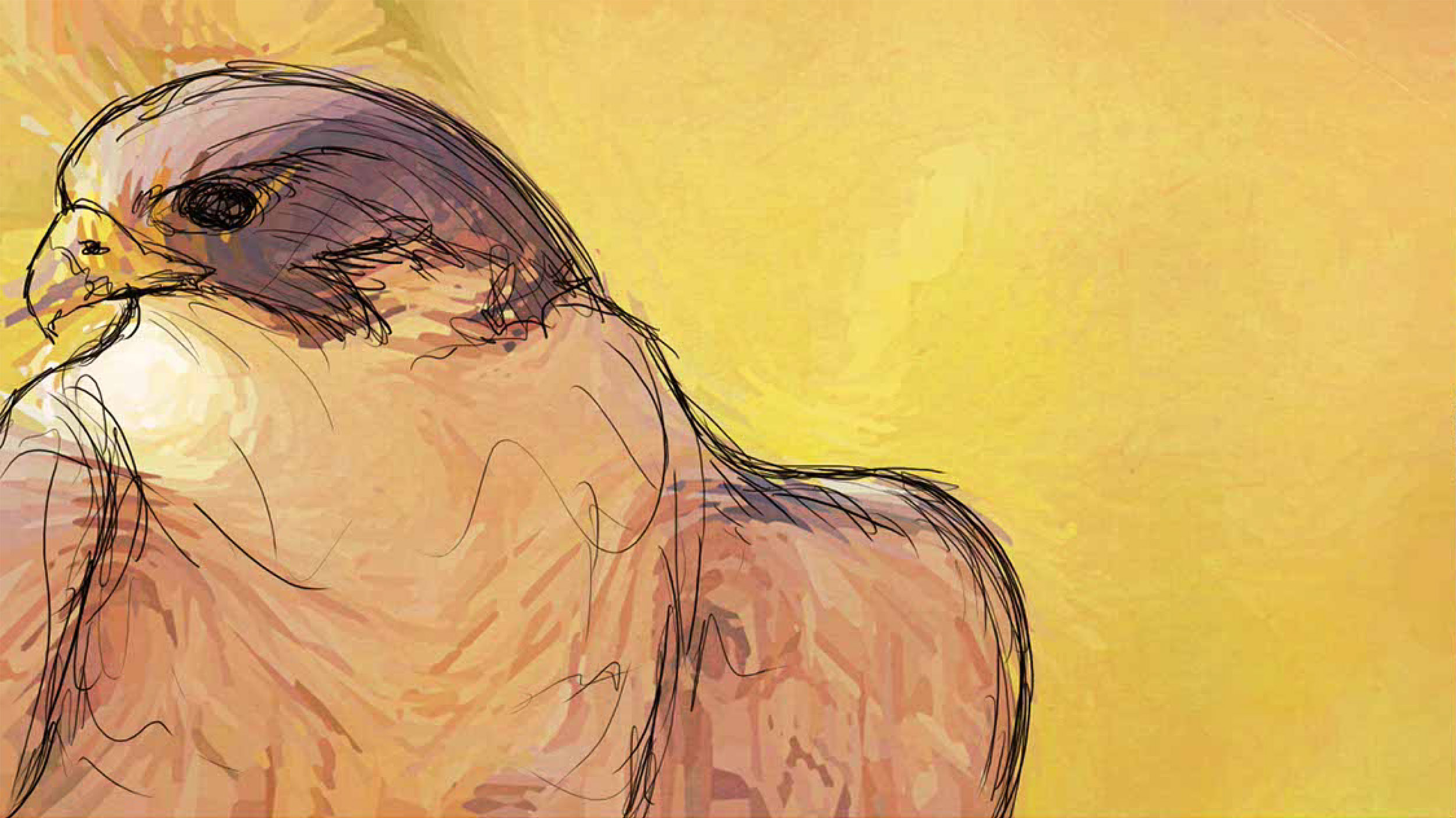
Ava Sawicka – Character Concept Sketches into 3d
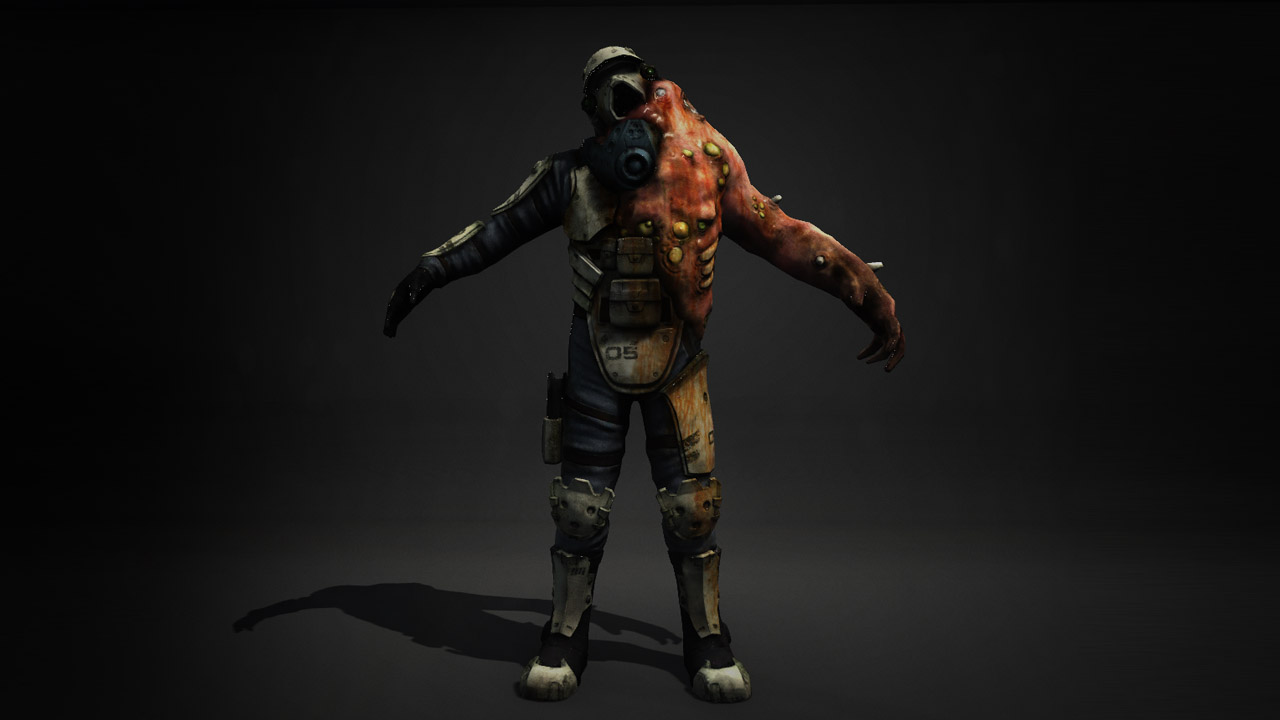
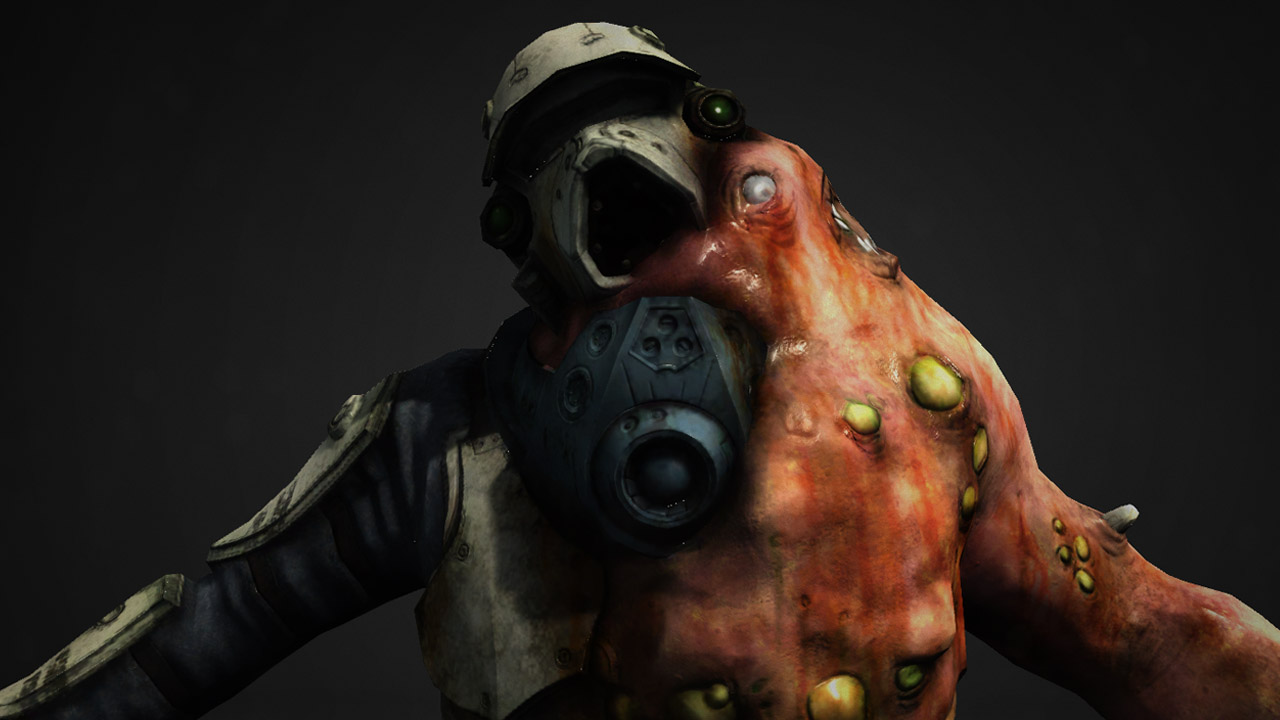
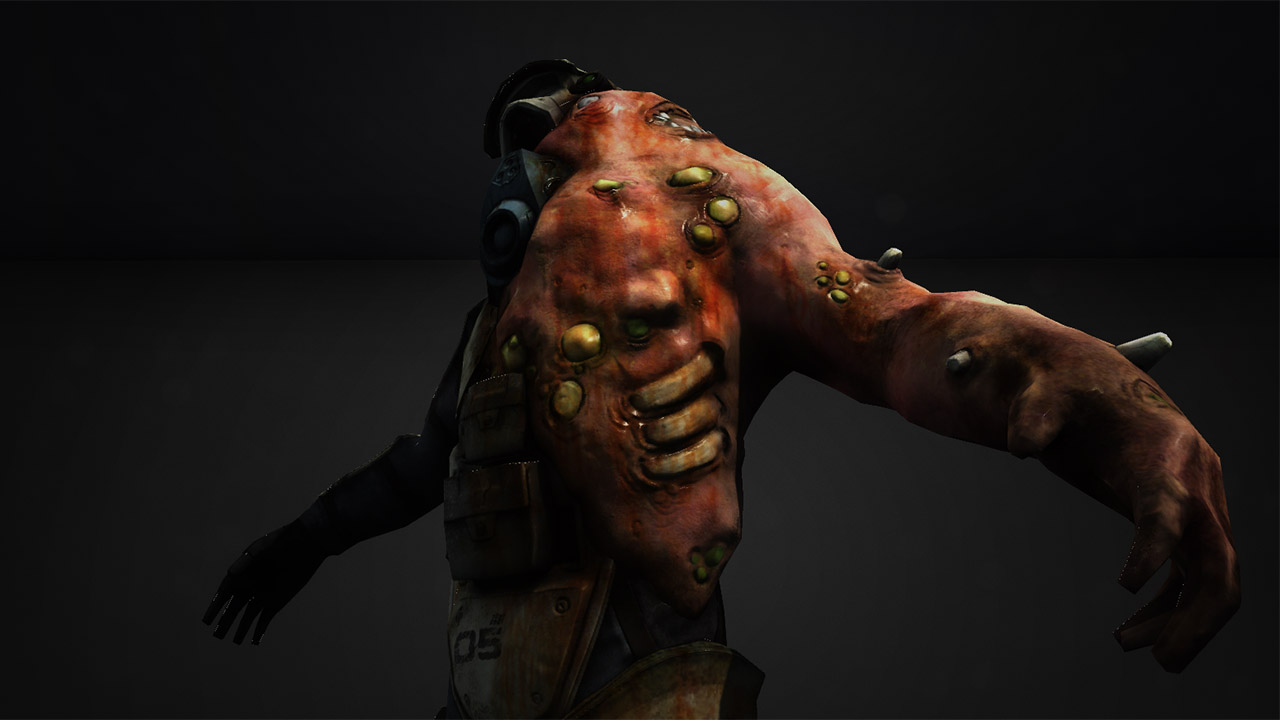
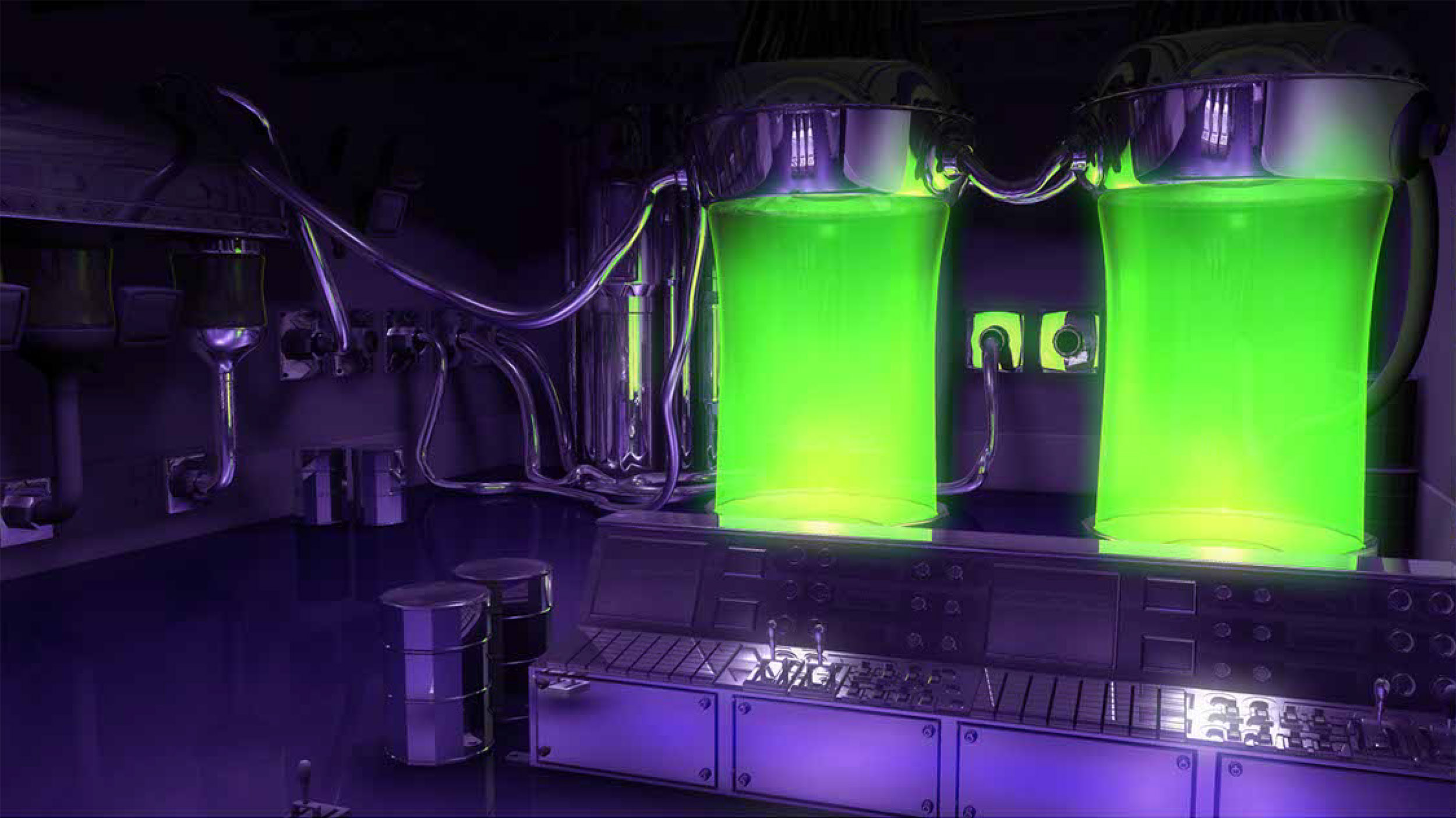
Jack Caron – Game Ready 3d Character
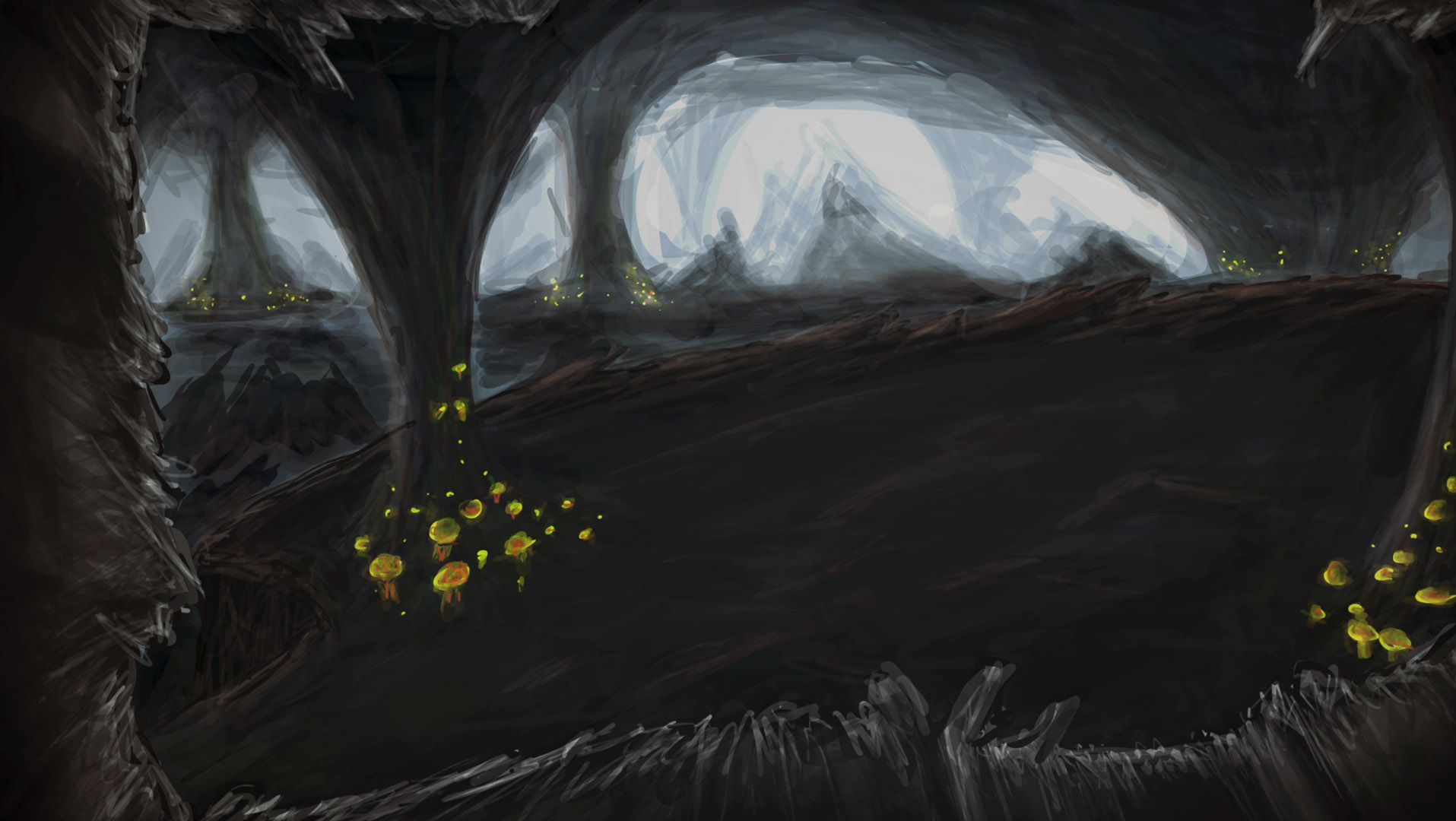
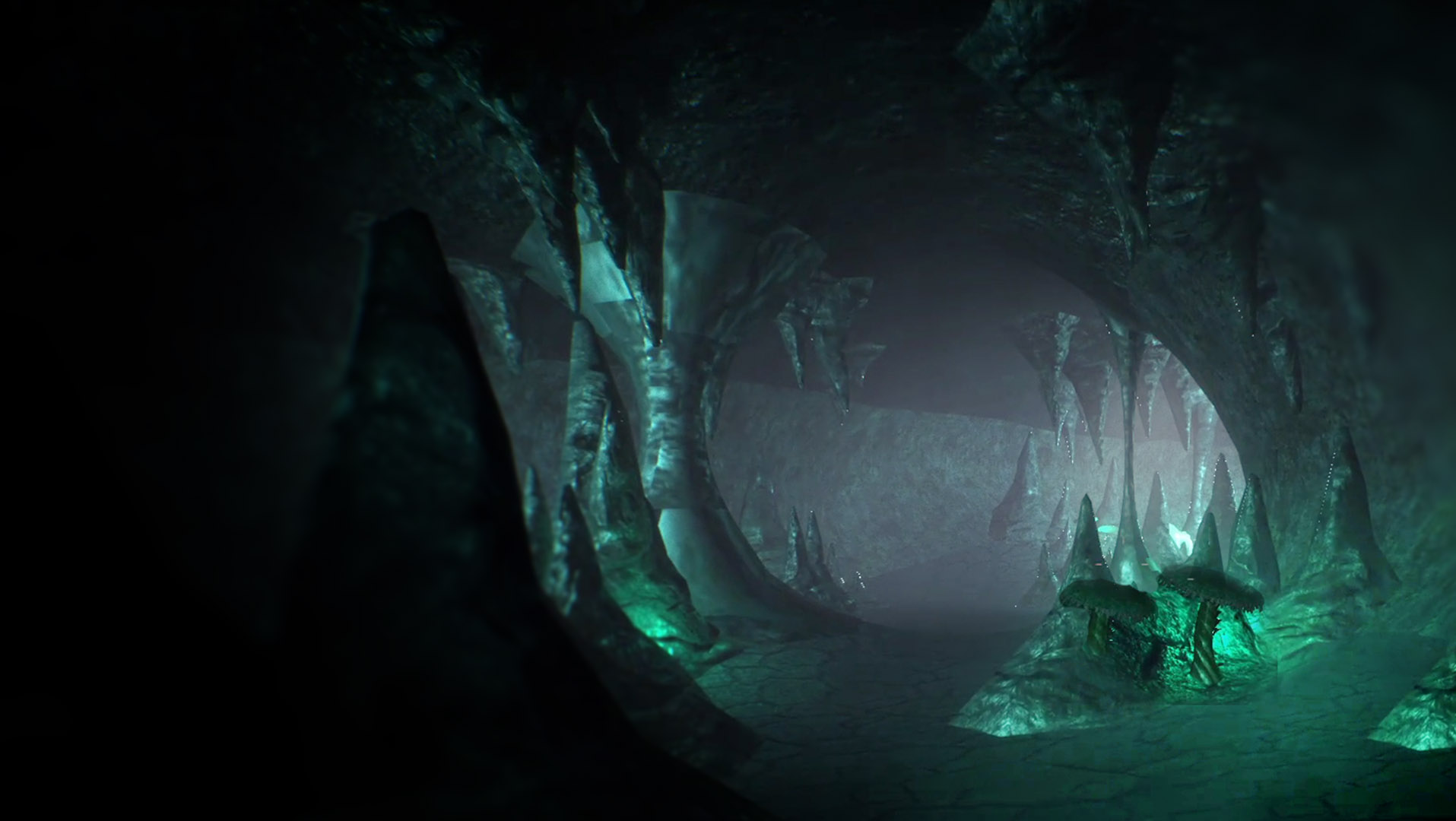
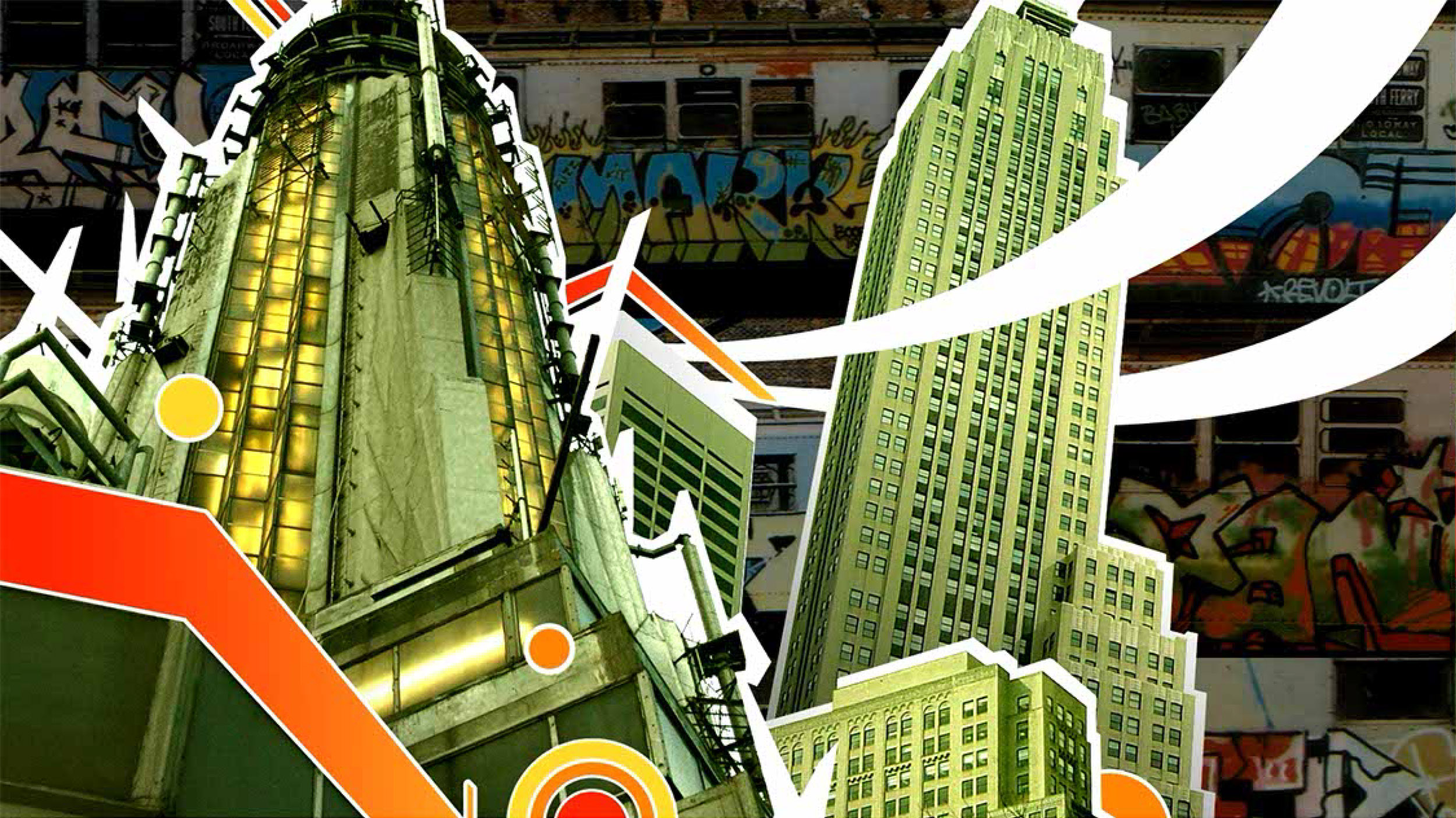
Christian Trautmann – Environmental Concepts into 3d
MFA/BFA Thesis Advisement
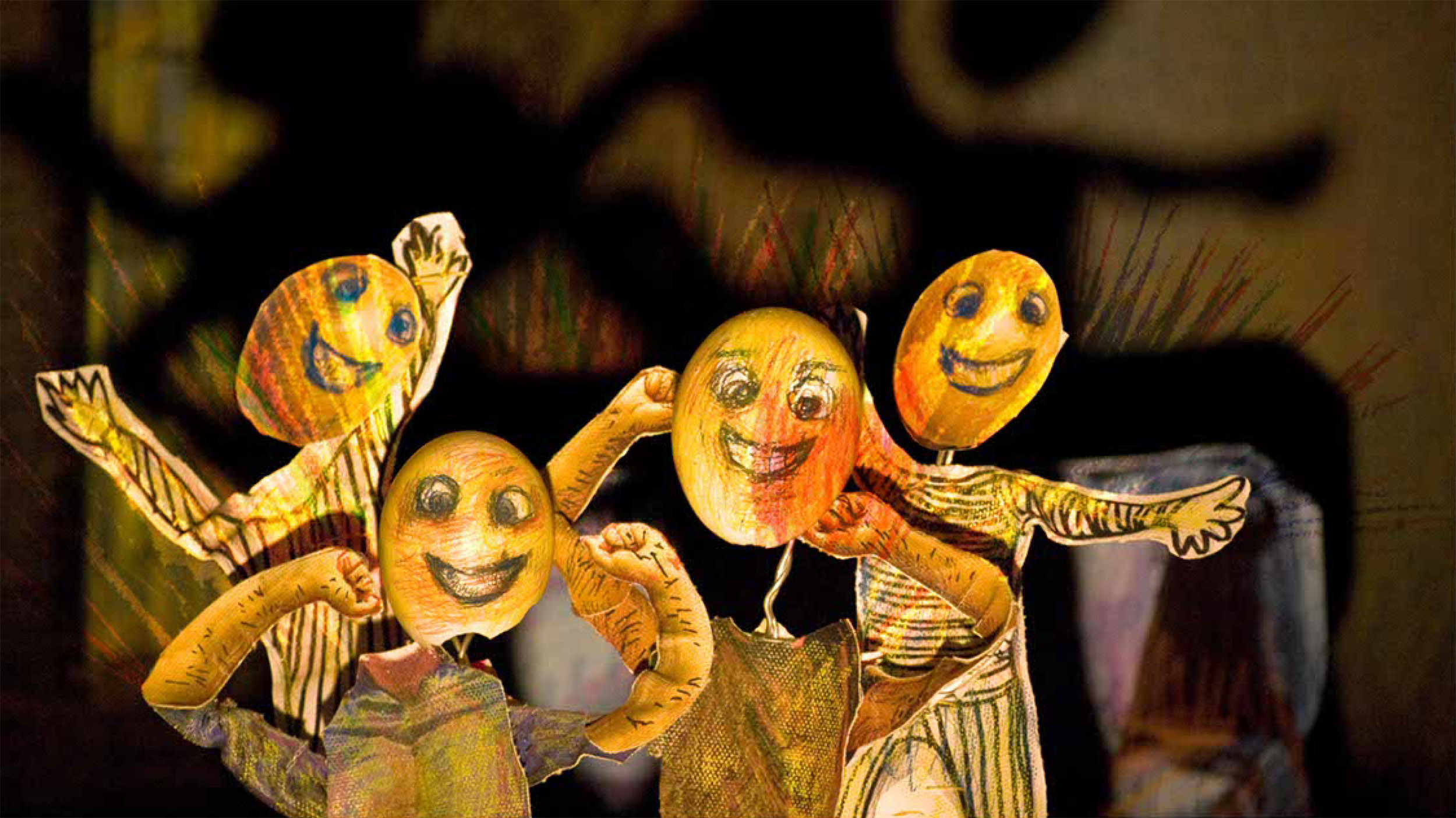
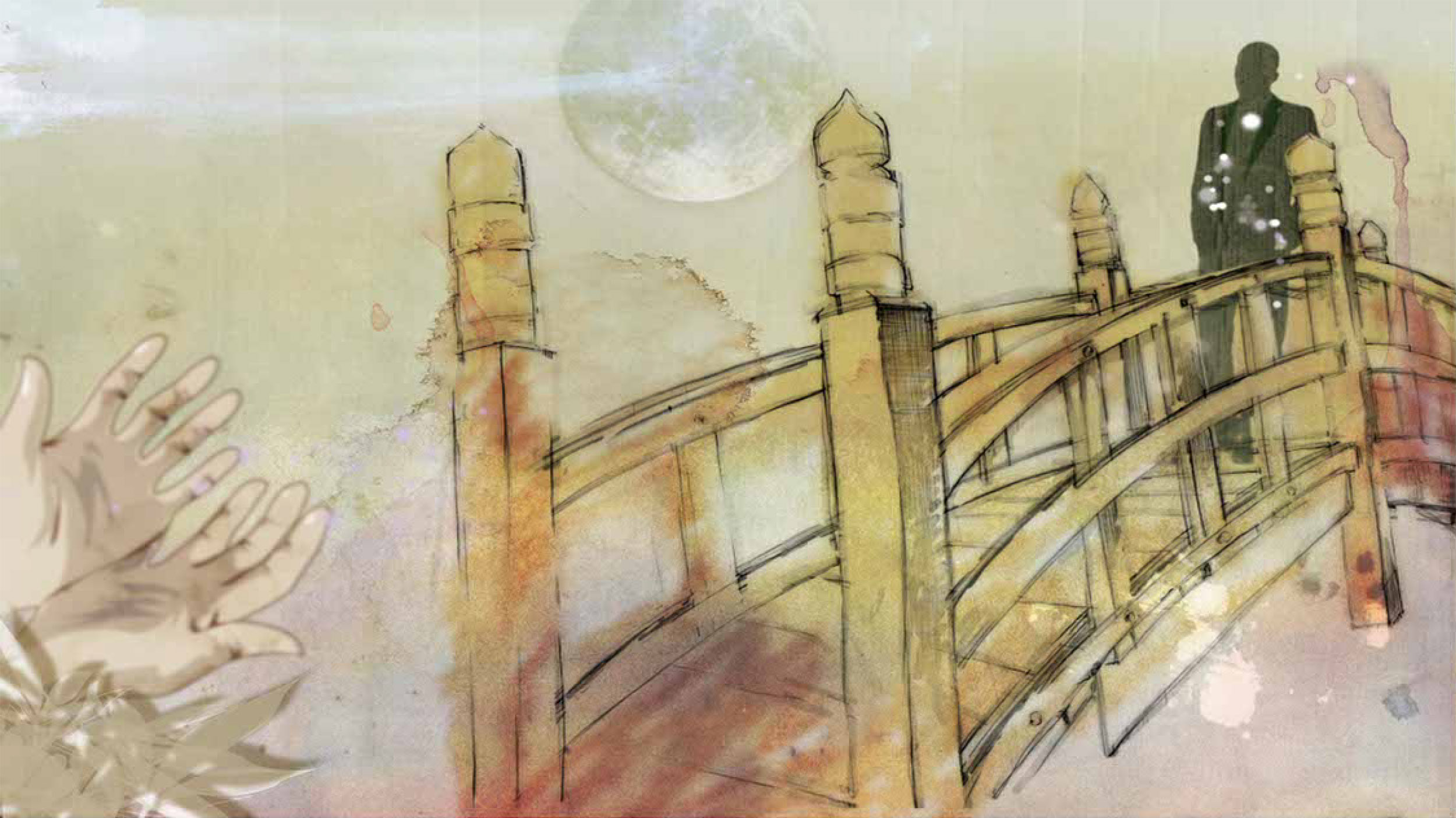
I've advised dozens of students across the MFA and BFA program at School of Visual Arts and my goal is to mentor a theoretical and visual approach to realize a personal artistic vision. Student projects have varied from motion design targeting commercial production studios, to Game Design and Fine Arts experiences. I’m usually approached by students because my strong focus on visual and motion design allows for experimentation and a playful final product.
Many of my students have graduated to careers at the best companies in the world, working on adventurous projects, pushing hard against the limits of visual design. This includes places like Dreamworks, Pixar, Electronic Arts, Microsoft, Google and more. Some have started their own studios and others have taken the bold step to begin careers as Fine Artists.
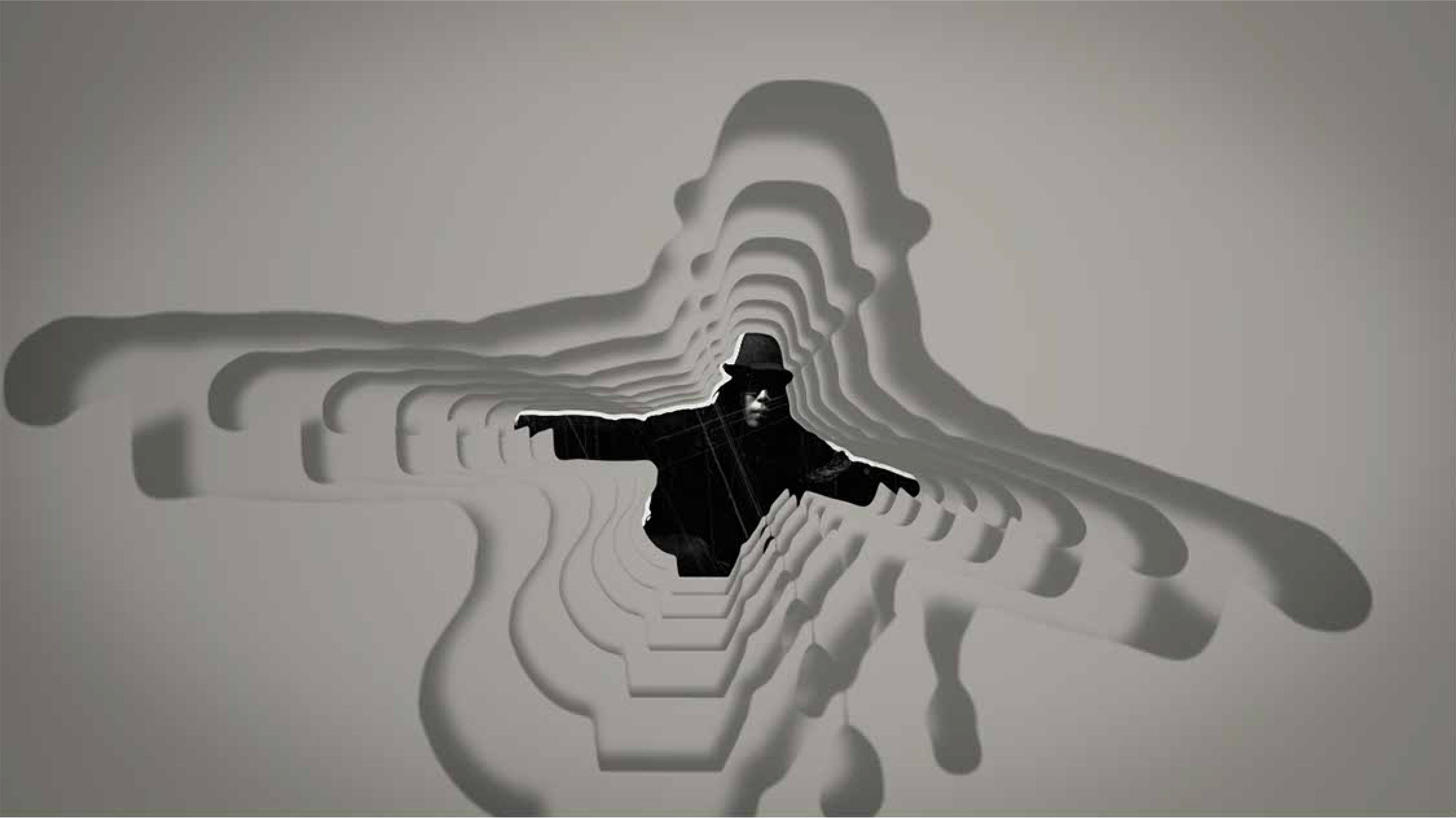
Marian Abbruzzese – Production Test
Erika Kobren – Thesis
Yongwha Cho – Thesis
Dynamic Media II
This course will explore the design requirements for professional-quality broadcast graphics and title design for feature films and multimedia projects. Students will capture and use original footage to create a title sequence that includes an audio sound track, still images and typographic elements. Asset management, aspect ratios, resolutions, interpolation algorithms, color depth, color timing and image stabilization techniques will be addressed. Students will learn to work with lighting, grain matching, perspective control and camera moves to create the illusion of photorealism in the final composite.
Dynamic Media I
Attempts to combine digital techniques using compositing to integrate various media through good aesthetic and design. To this extent, course work has included 2d match moving, 3d match moving, 2d/3d Integration, 2d and 3d particle systems and dynamics, color correction, television editing, motion graphic design, multi-pass compositing , and rotoscoping. All courses are taught through the use of design examples and are project based. A typical sequence includes in-class work evaluating the aesthetic and technical aspects of a various company or artist, followed by a technical demonstration of methods to accomplish a similar look.
Precollege Dynamic Media
In this course students learn the basics of digital film production with the use of high definition video cameras and audio equipment. They will direct and capture an acted performance in a blue or green screen studio. Compositing and layering the footage with animated images is used as live action for motion graphics. 3D elements may be incorporated as foreground action or as the background. Students learn the fundamentals of key framing, applying effects over time, field and frame rendering, creating mattes and rotoscoping. Students are introduced to Apple Final Cut Pro and Adobe After Effects. Students will produce their own motion graphics digital video project with a visual style of their own. All equipment is provided