
Augmented Reality Baseball Data on Mobile Devices
One of our missions at MLB is to innovate new ways for fans to enjoy the sport. This is critically important during a period of time when the average fan is not able to enjoy the sport in a way that feels familiar.
CREDITS:
Creative Director
Alexander Reyna
Role
Prototype, Product Design, Art Direction, UX/UI
Collaborators
Alex Fast, Producer
Steve Cox, Lead Engineering
Marc Florestant, UI Art
Chris Makris, UI Art
+ Lots more
A Tentpole Project
We typically use Tent Pole events like All Star Week as an opportunity to develop new products that hint at the future of sports technology. This allows us to showcase the latest and greatest in product innovation for baseball, get fans excited, and work with technology partners to push the limits.
We partnered with T-Mobile in advance of a new sponsorship deal between the league and the client. A lot was riding on the collaboration, and we wanted to excite T-Mobile and our fans with the value that a new partnership can provide.
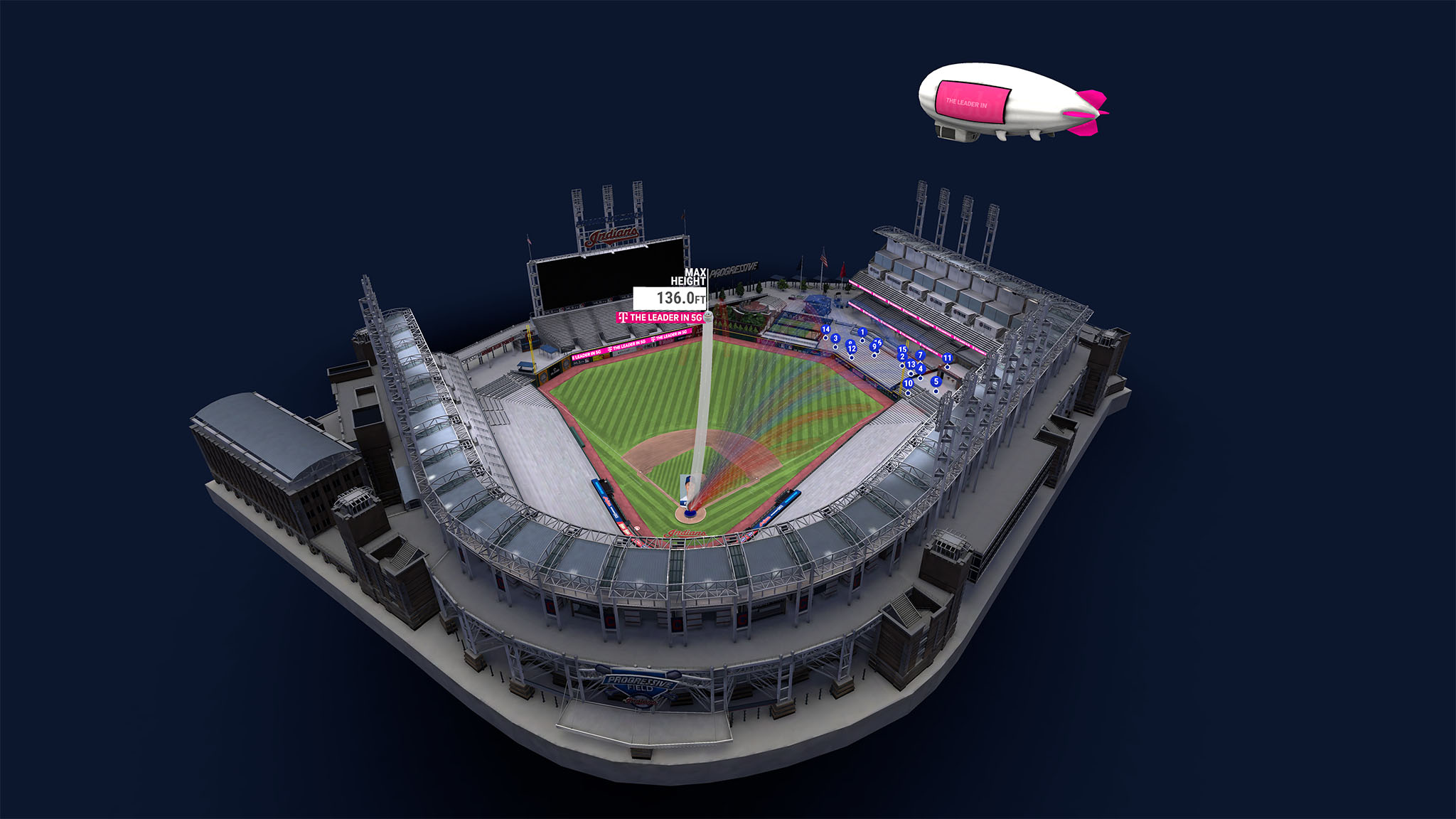
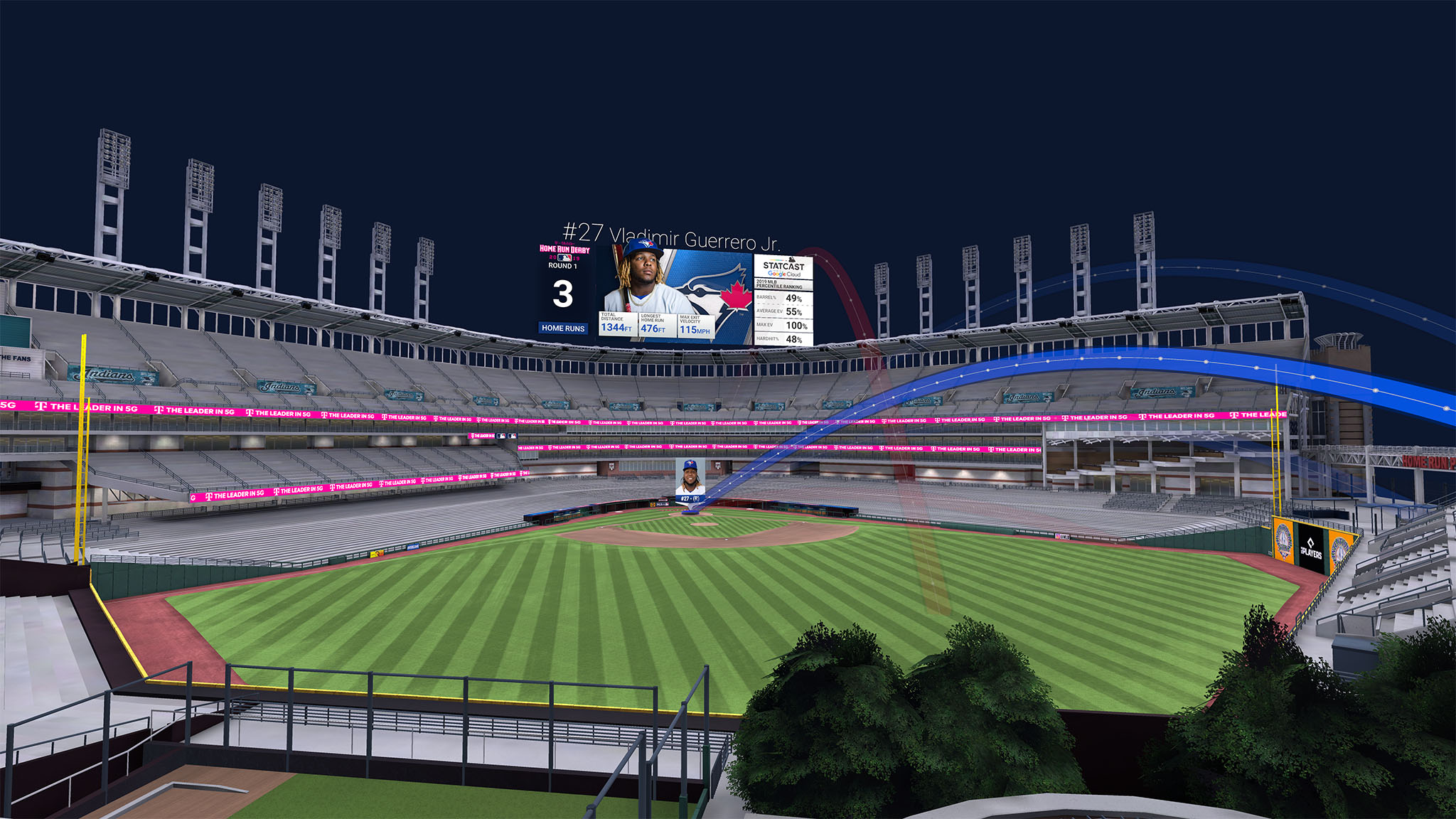
We developed an innovative real-time data visualization project in Augmented Reality that allowed fans to watch the Home Run Derby in a totally new way, powered by T-Mobile 5G, delivered in 8 short weeks.
We worked a fixed deadline, a ton of late nights, and massive pressure to build something that would set the stage for what the league could do in the future.
Project Definitions
There are many examples of tabletop AR but there had never been a sports league attempting real time data visualization like this before.
Luckily, I had already prototyped a bunch of tests over the years and knew the special mix of performance driven technology and visual design that would allow us to deliver a unique experience and stand up a product in an incredibly short period of time.
We were lucky because our internal development team had worked on similar IP in the past and had worked together as a team for years. We could leverage an existing development framework for data visualization and use a process for highly optimized 3d environmental art to improve performance.
3D Character + Dataviz Prototype
AR Stadium Prototype with a focus on performance and dataviz style.
Streaming Video and AR Stadium test .
After an initial prototype, we did a round of product design and wireframing to consider features. We quickly moved from lo-fidelity dirty wires to higher fidelity as we locked in features and interactions.
Because of delivery timing, we knew we wanted to launch with a small MVP, but with a core that could be extended post launch. We did ad hoc user testing with our partners and teams to discover what makes sense for launch and to find a design pattern that felt familiar for established MLB users.
We agreed upon a set of features and held back several cool innovations that would roll out during Postseason 2021 and into Spring Training 2022. In addition, we gated several special “5G enabled” features just for T-Mobile users to upsell value within our product.
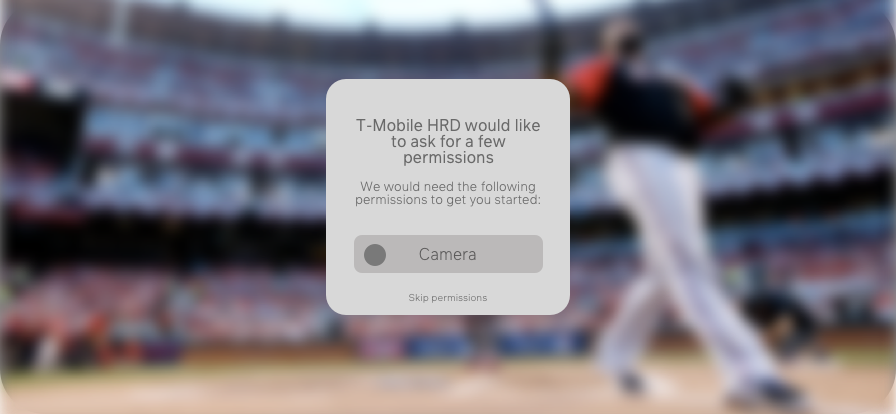
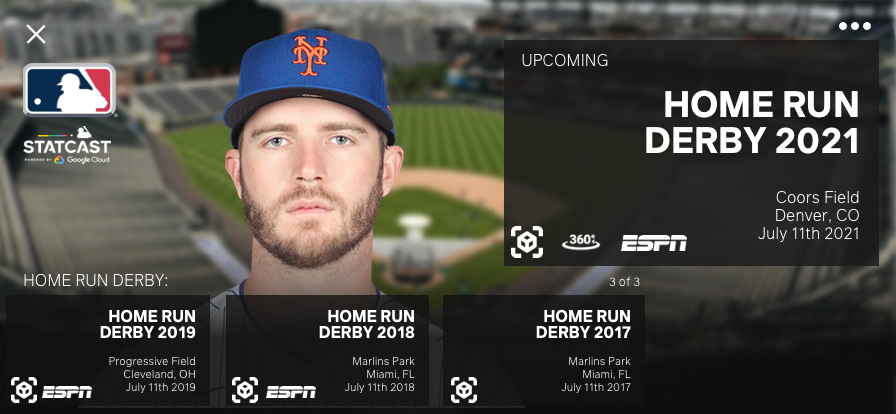
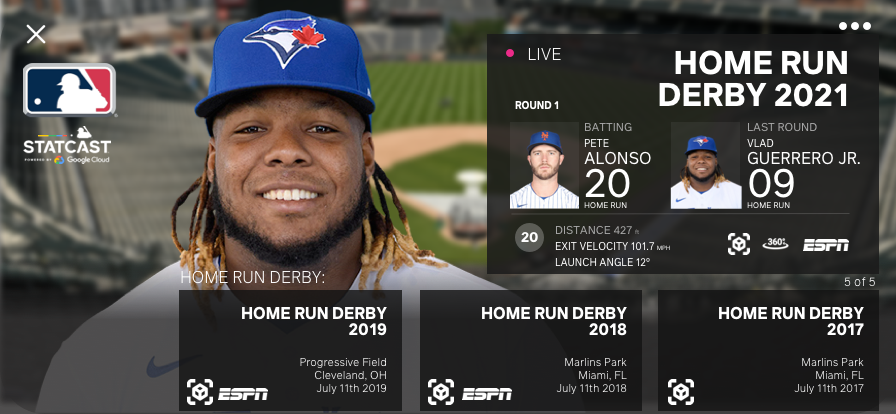
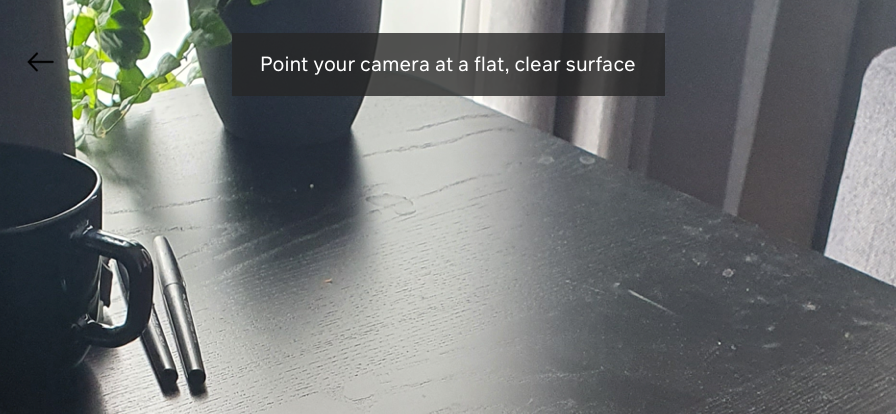
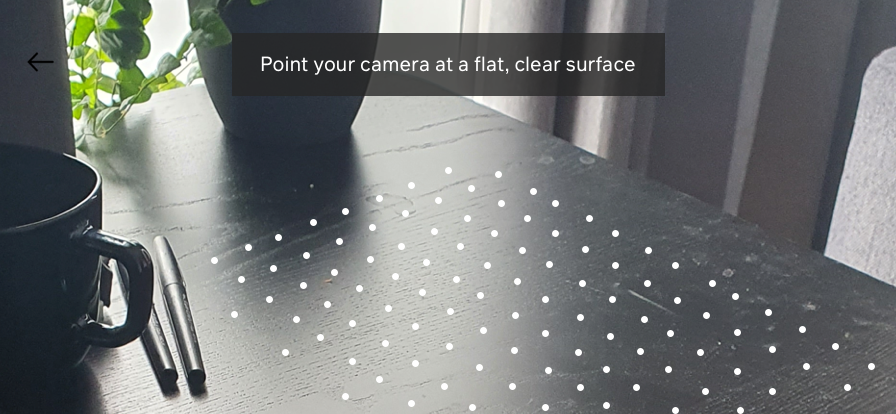
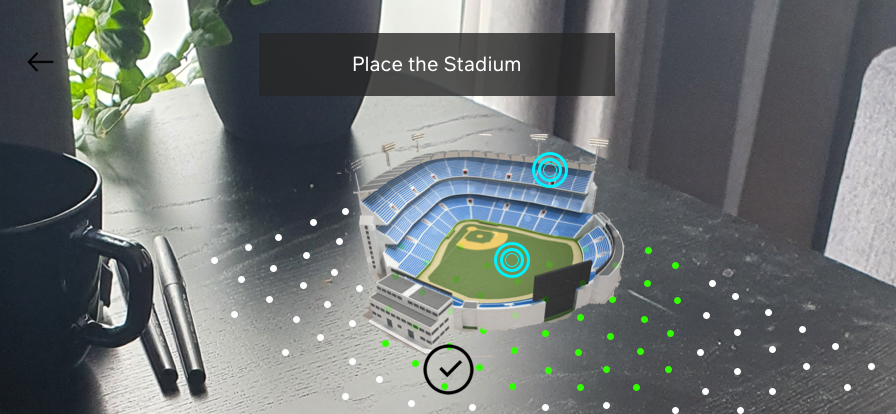
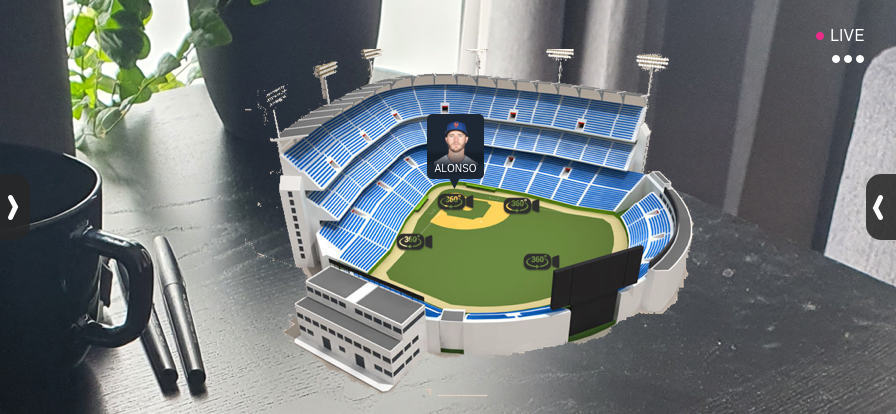
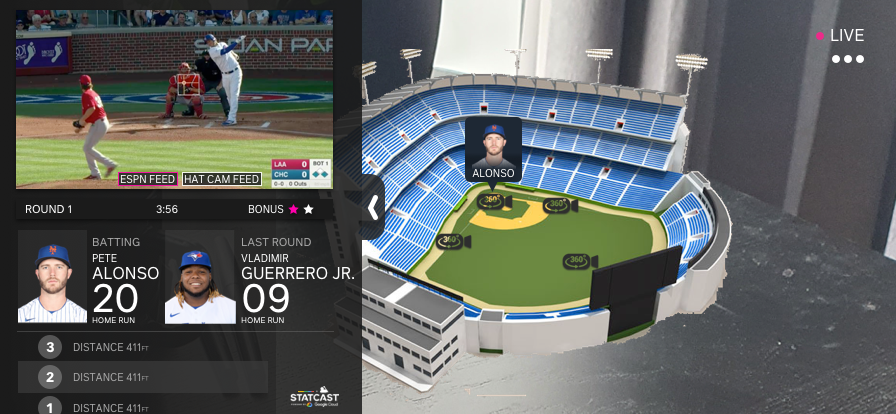
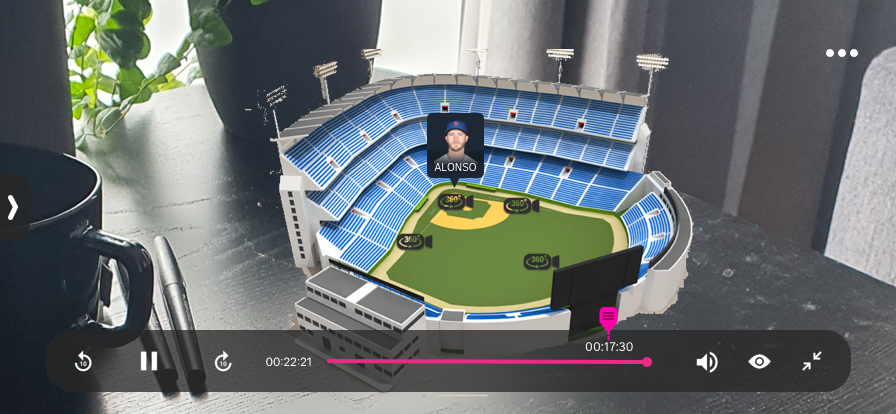
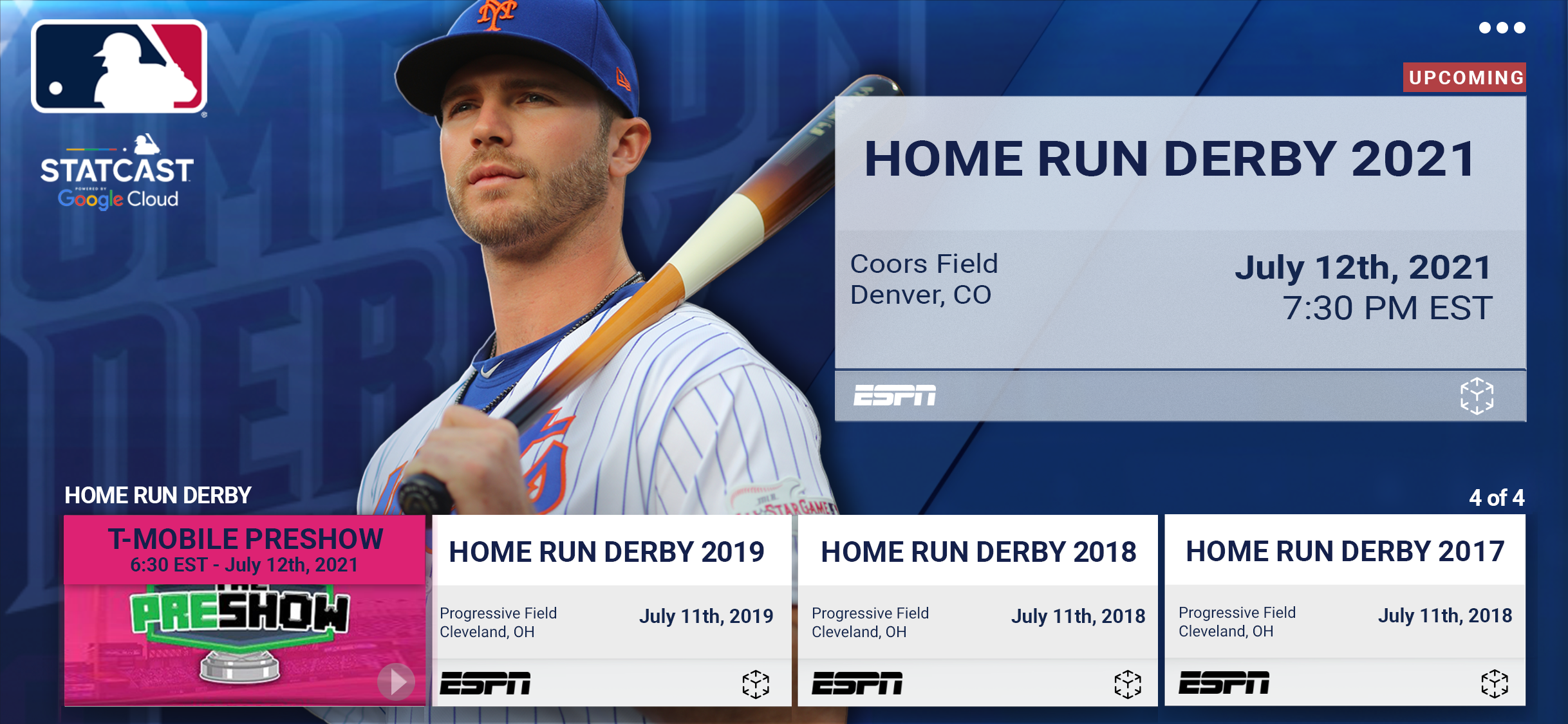
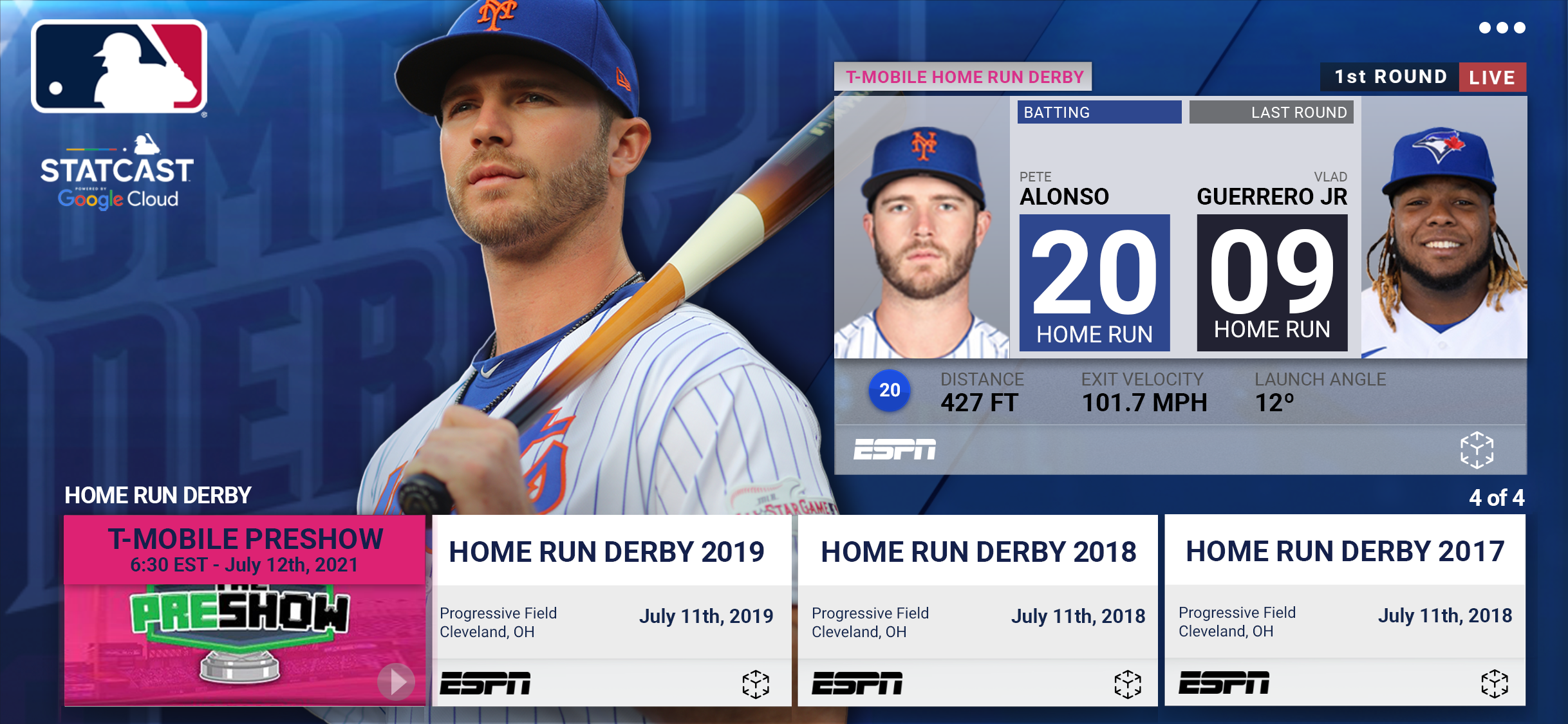
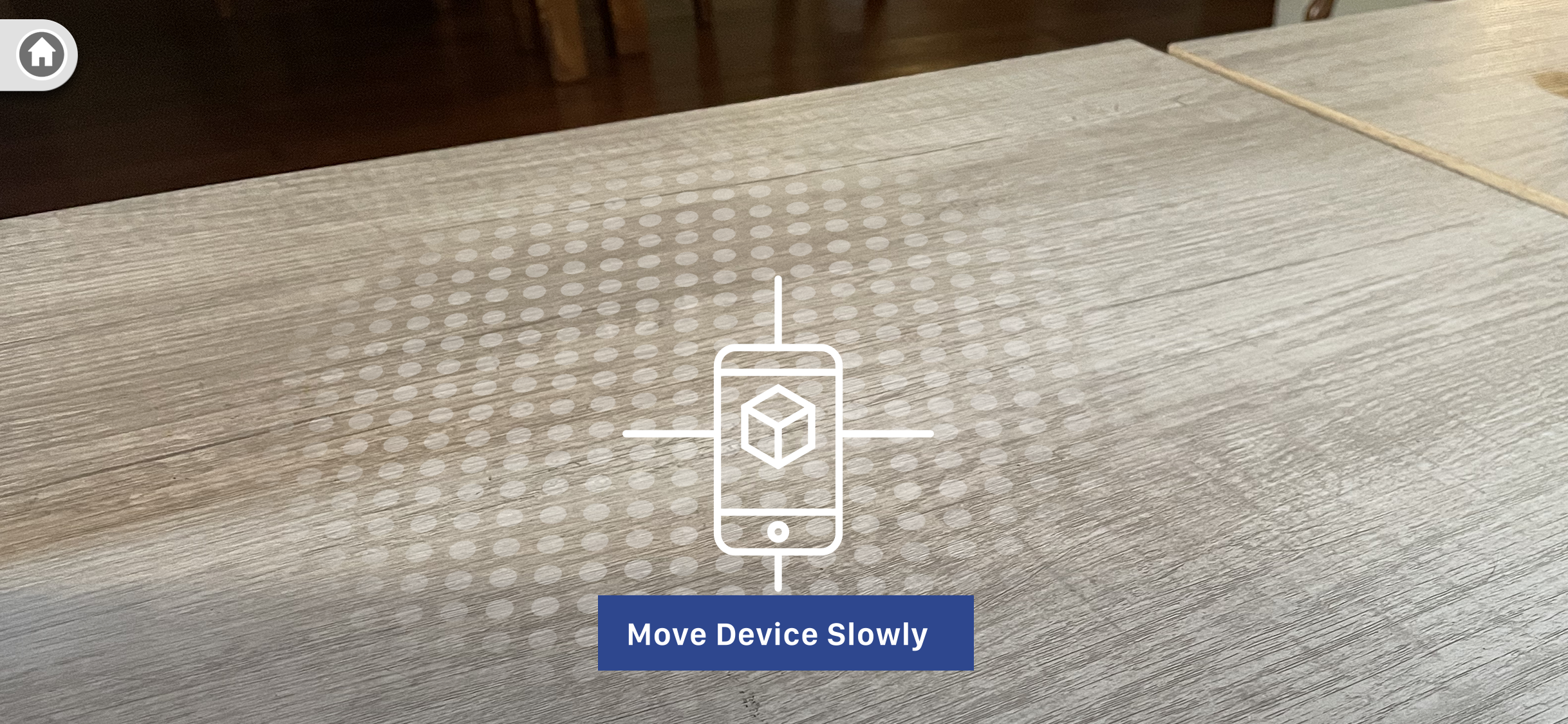
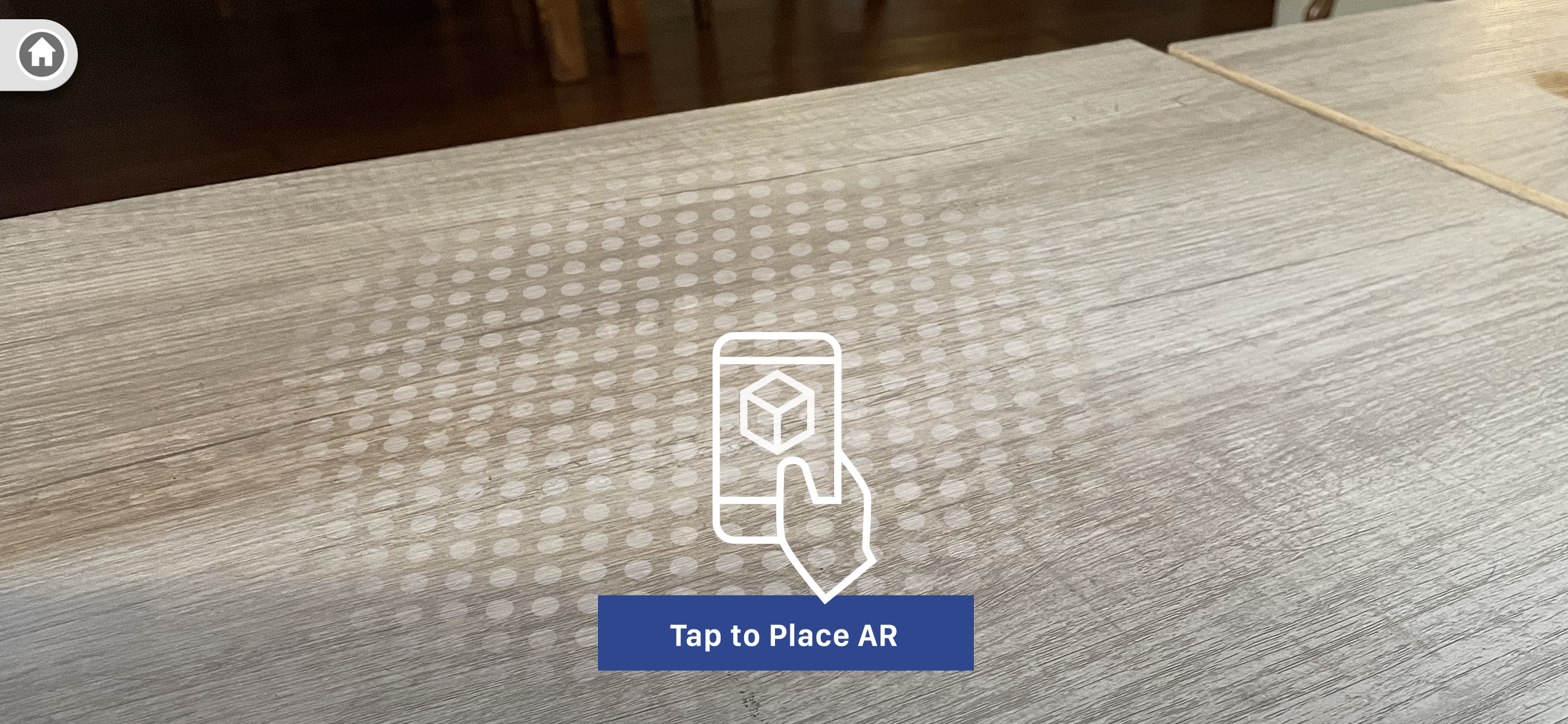
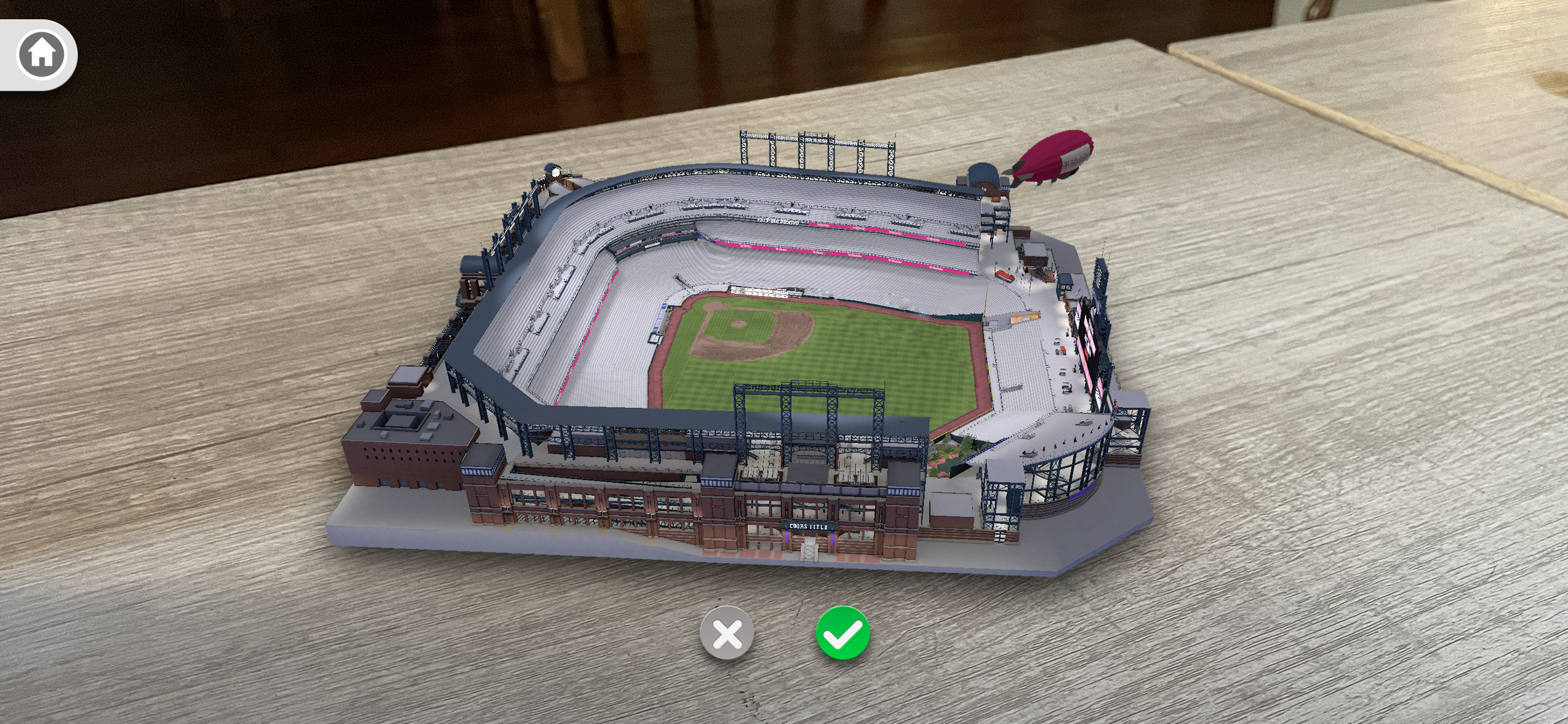
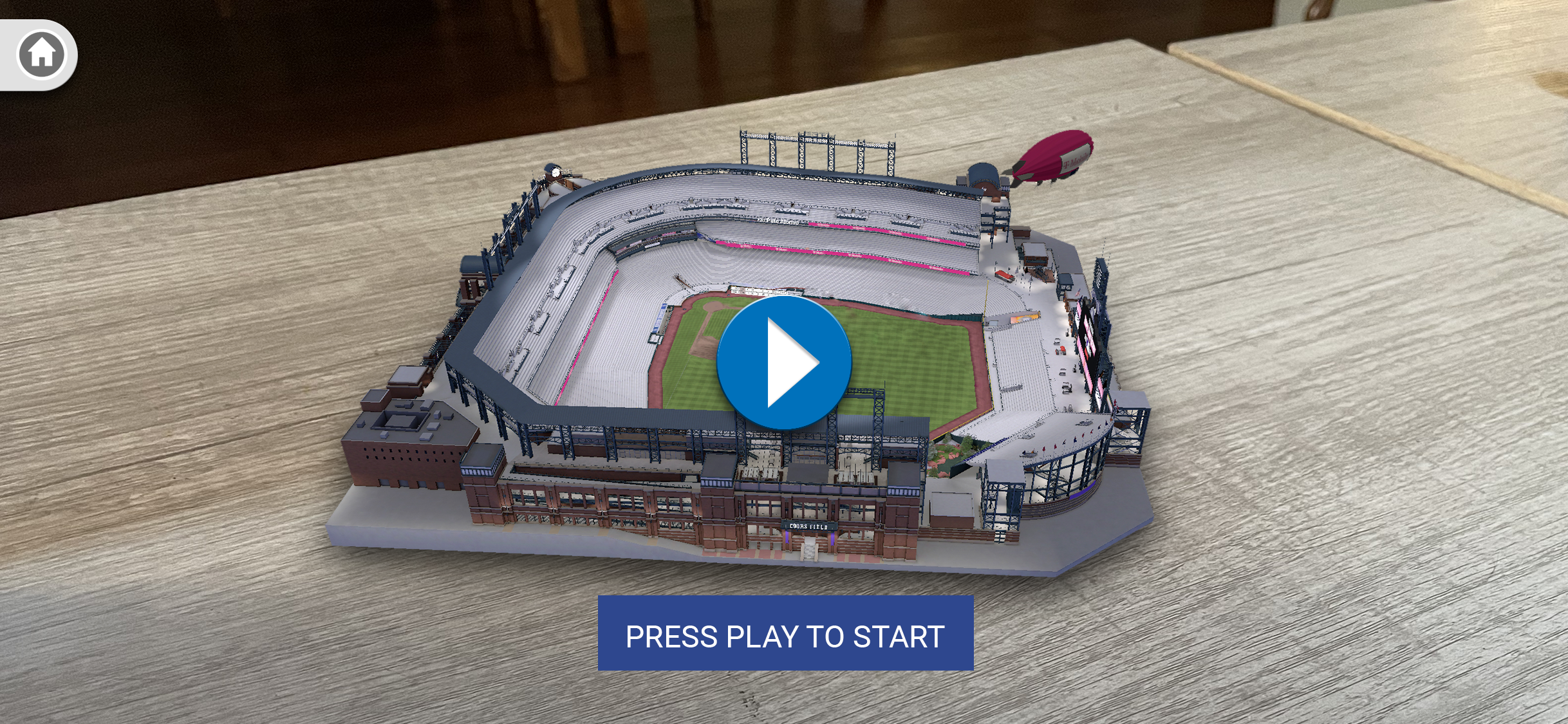
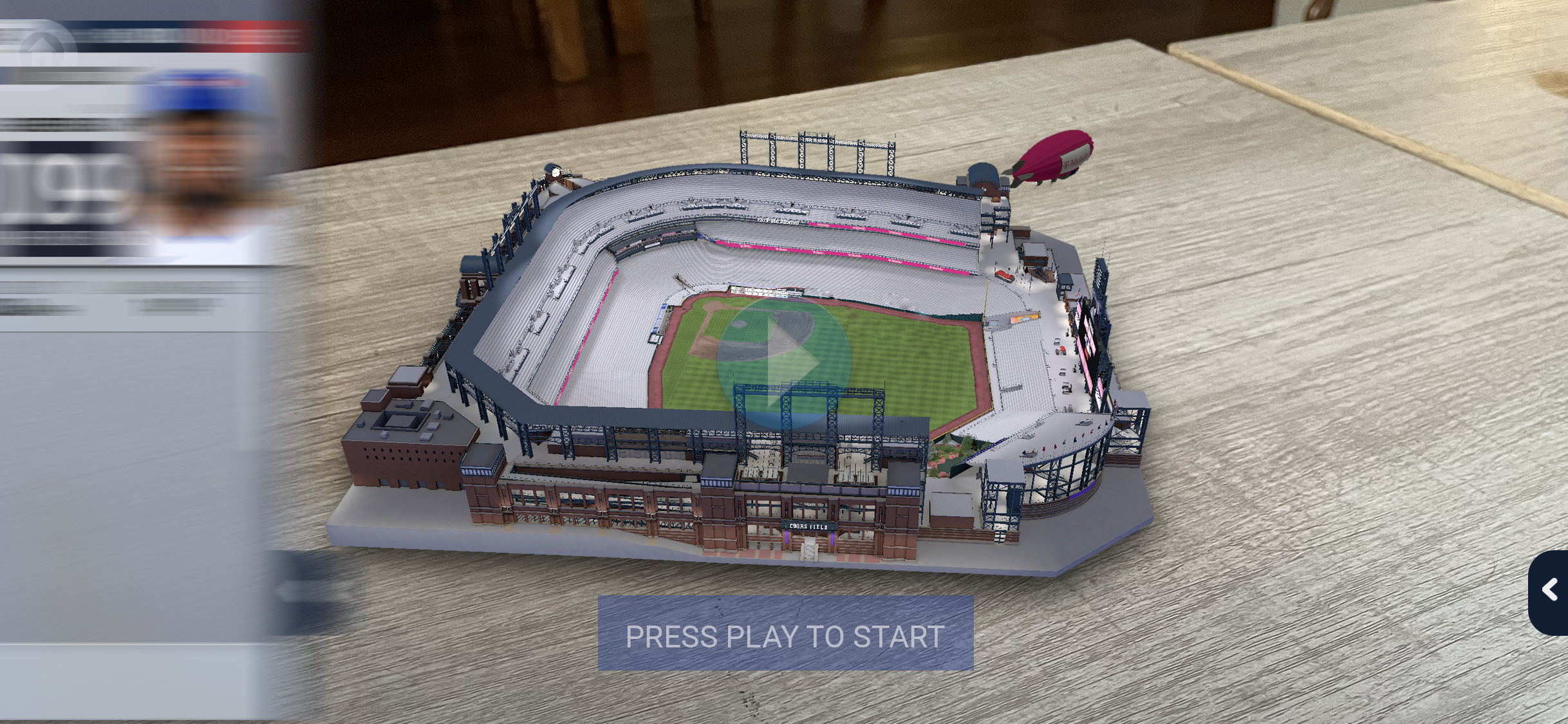
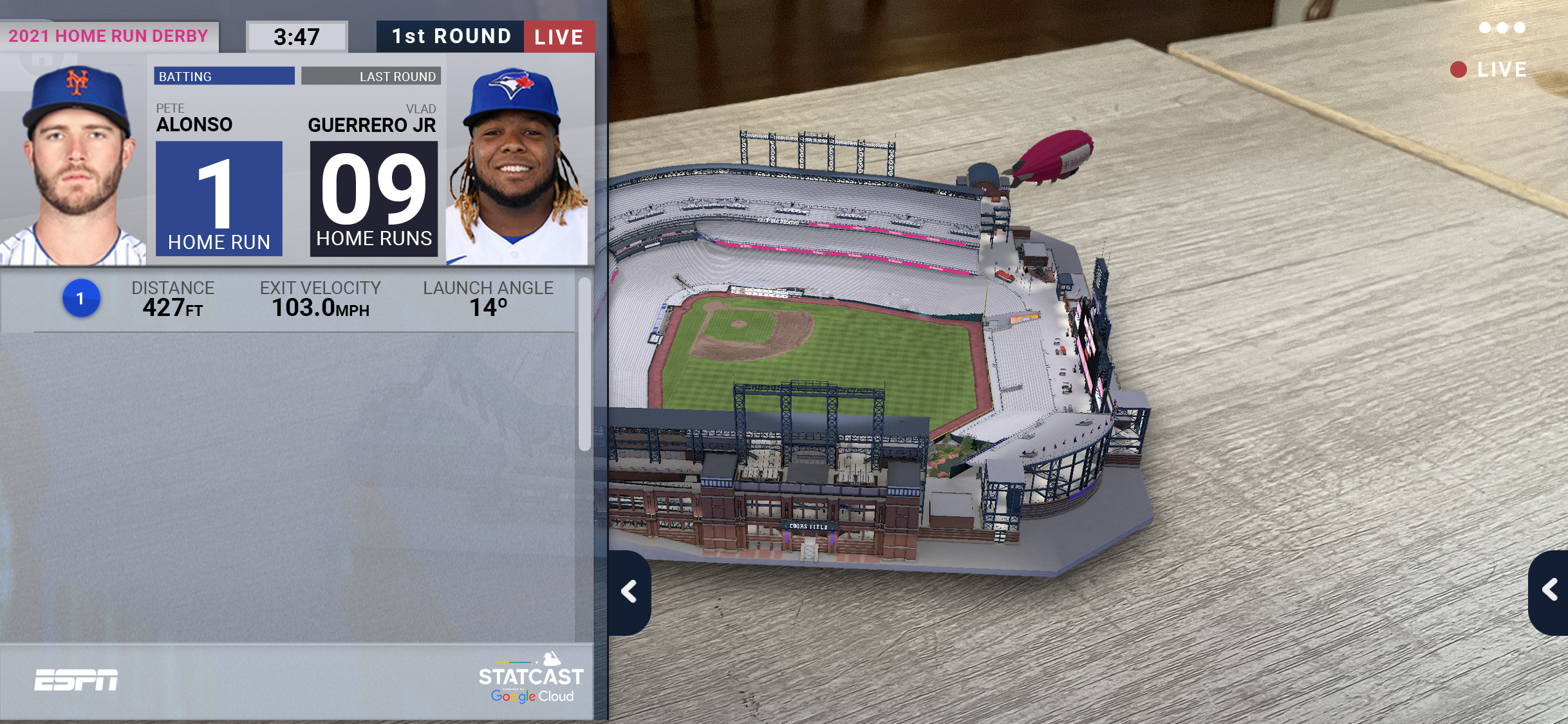
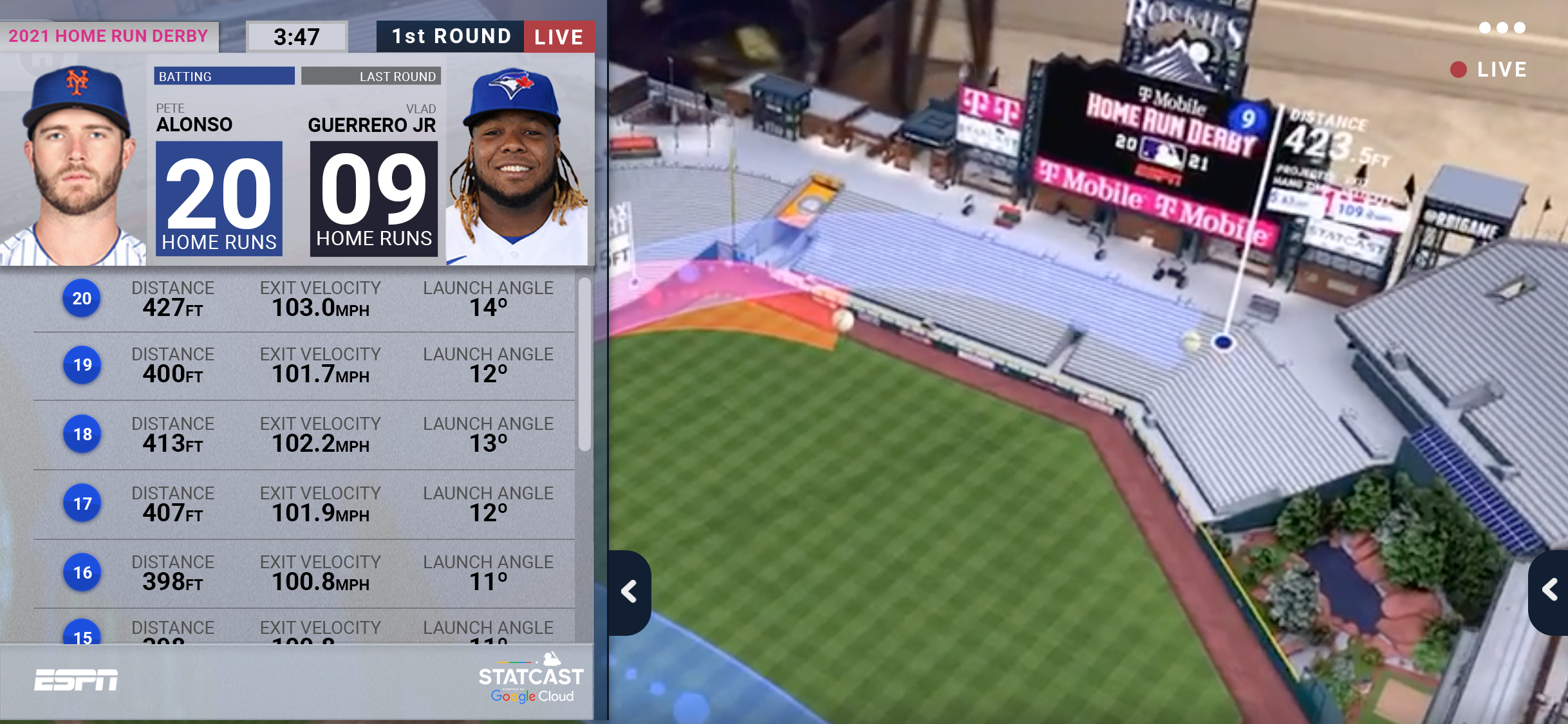
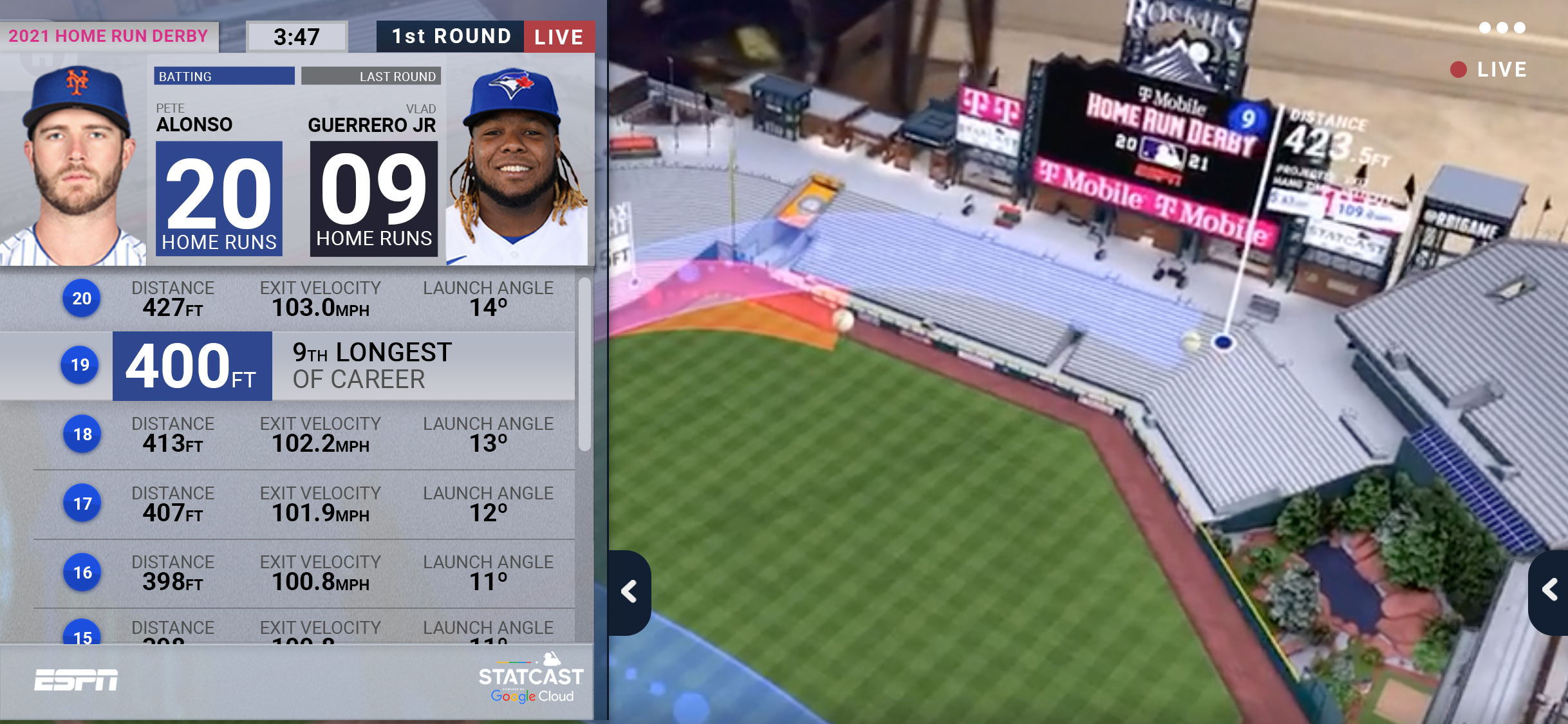
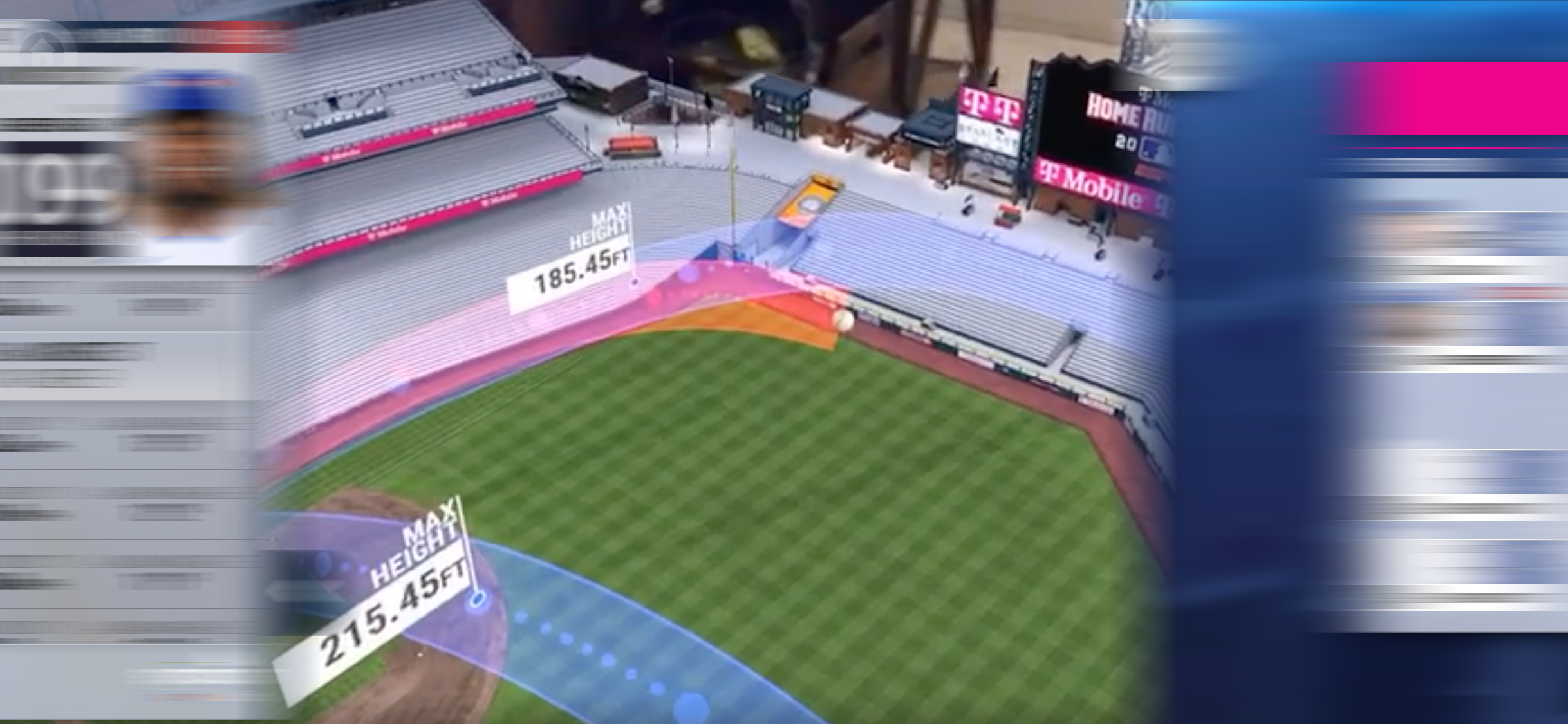
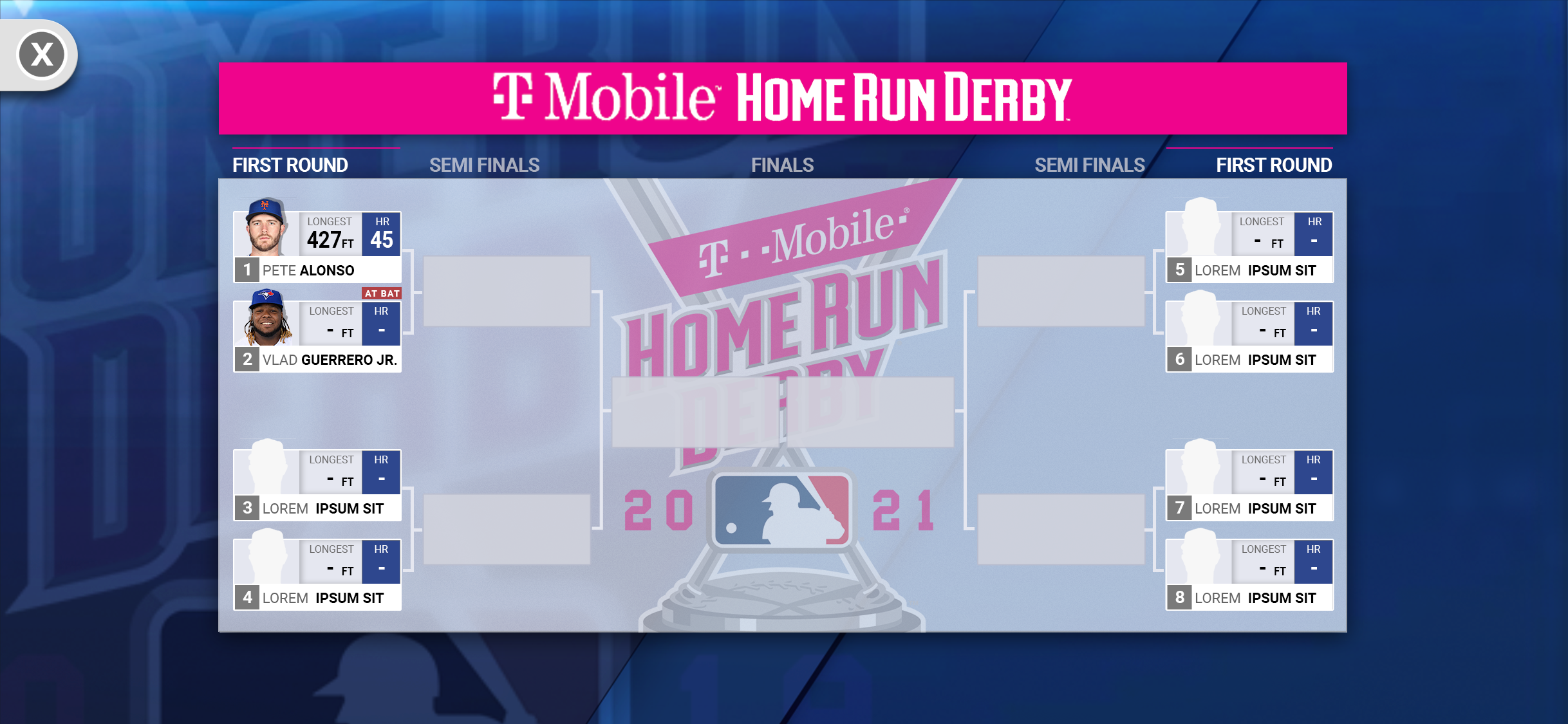
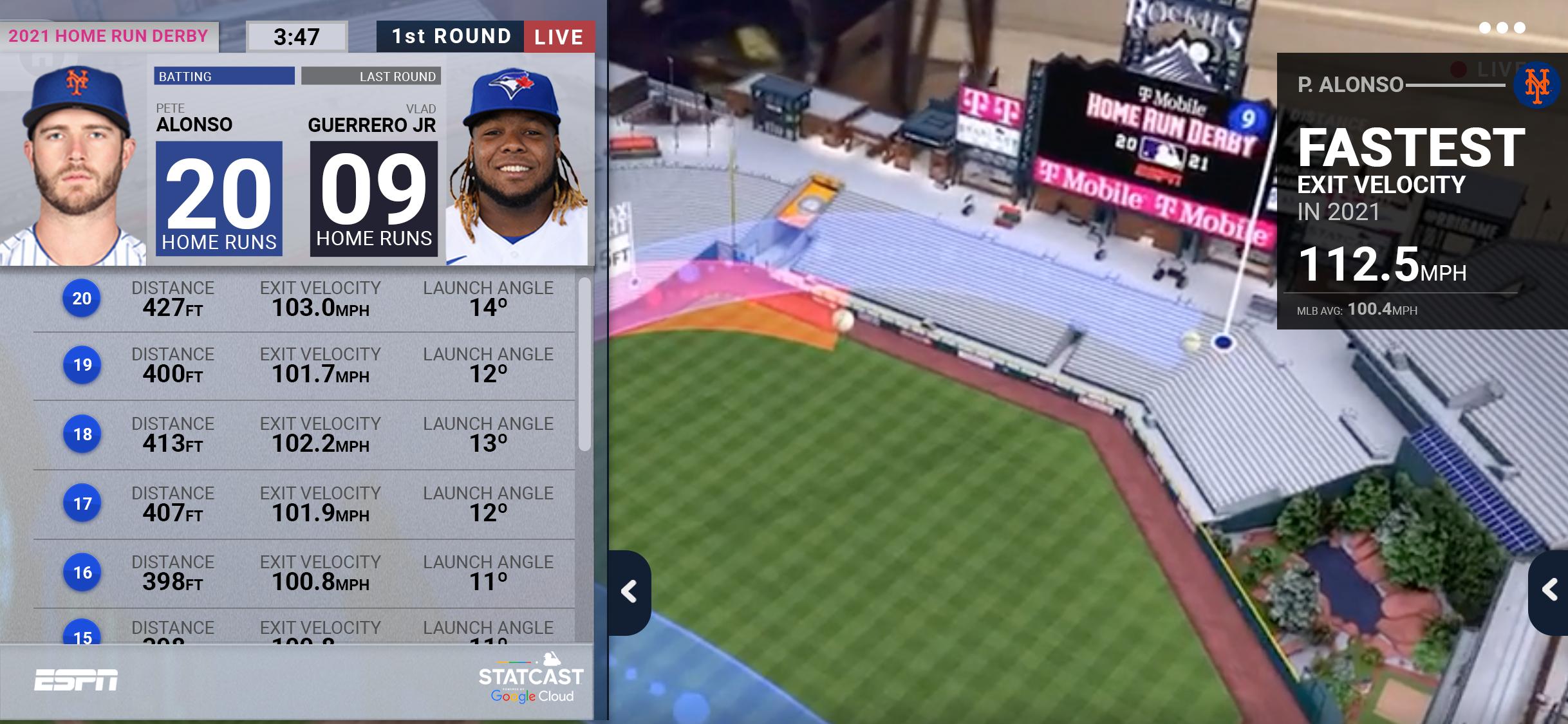
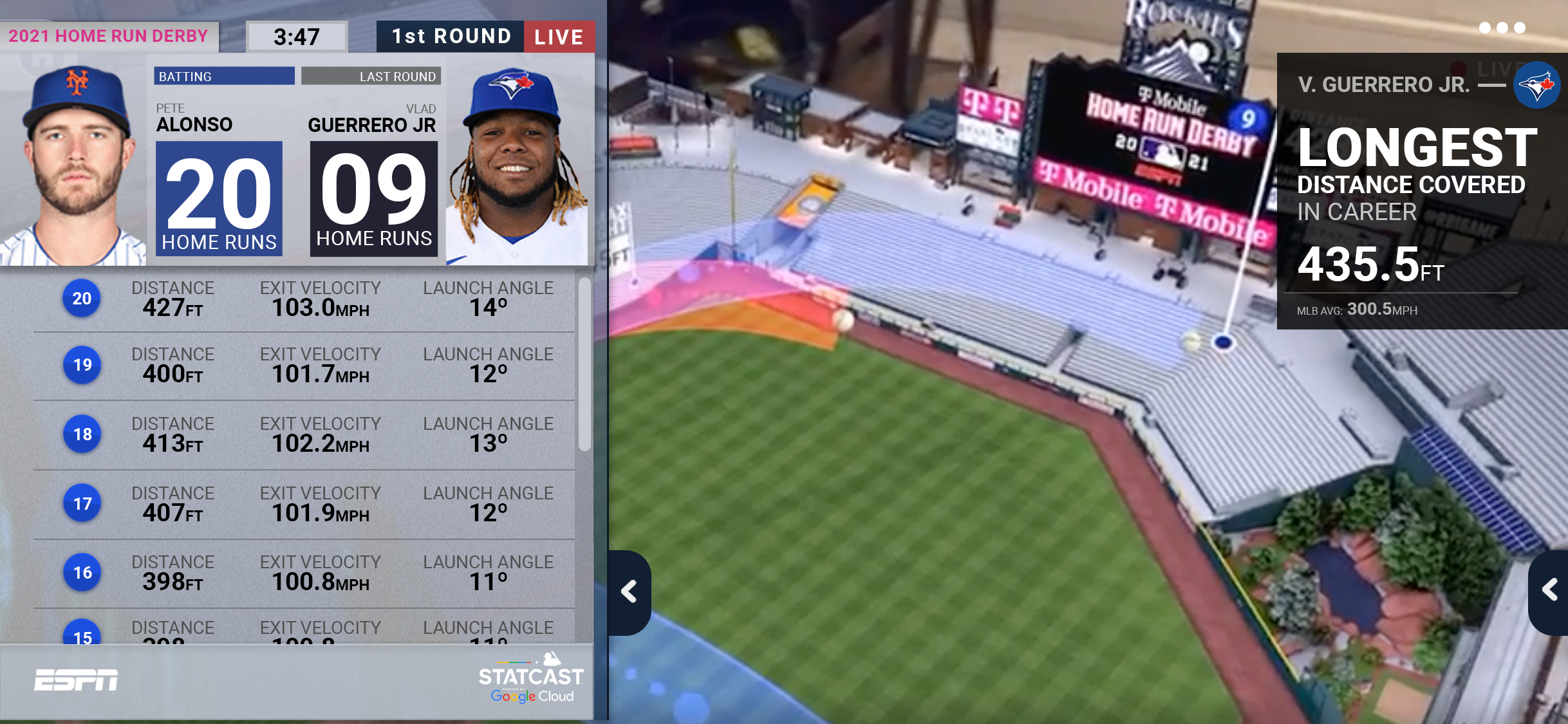
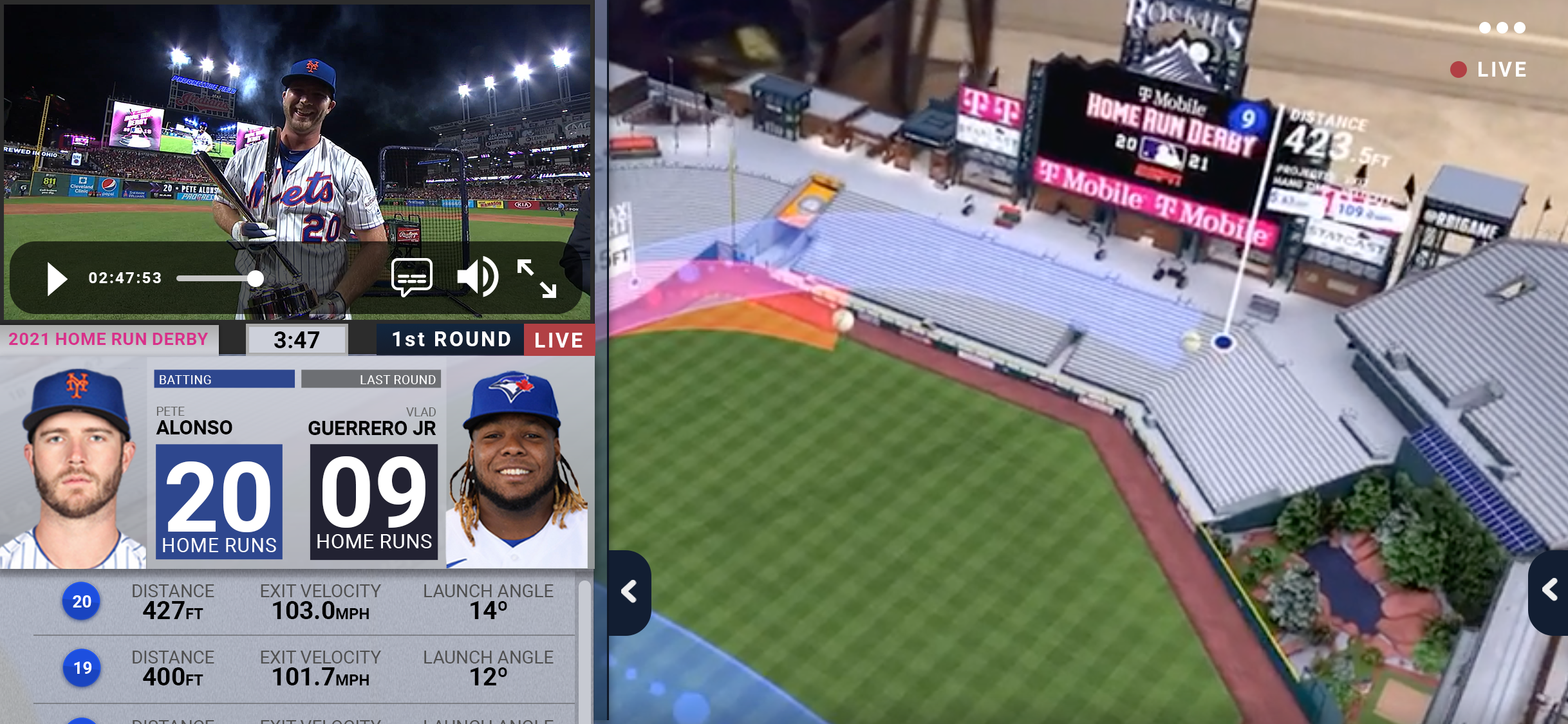
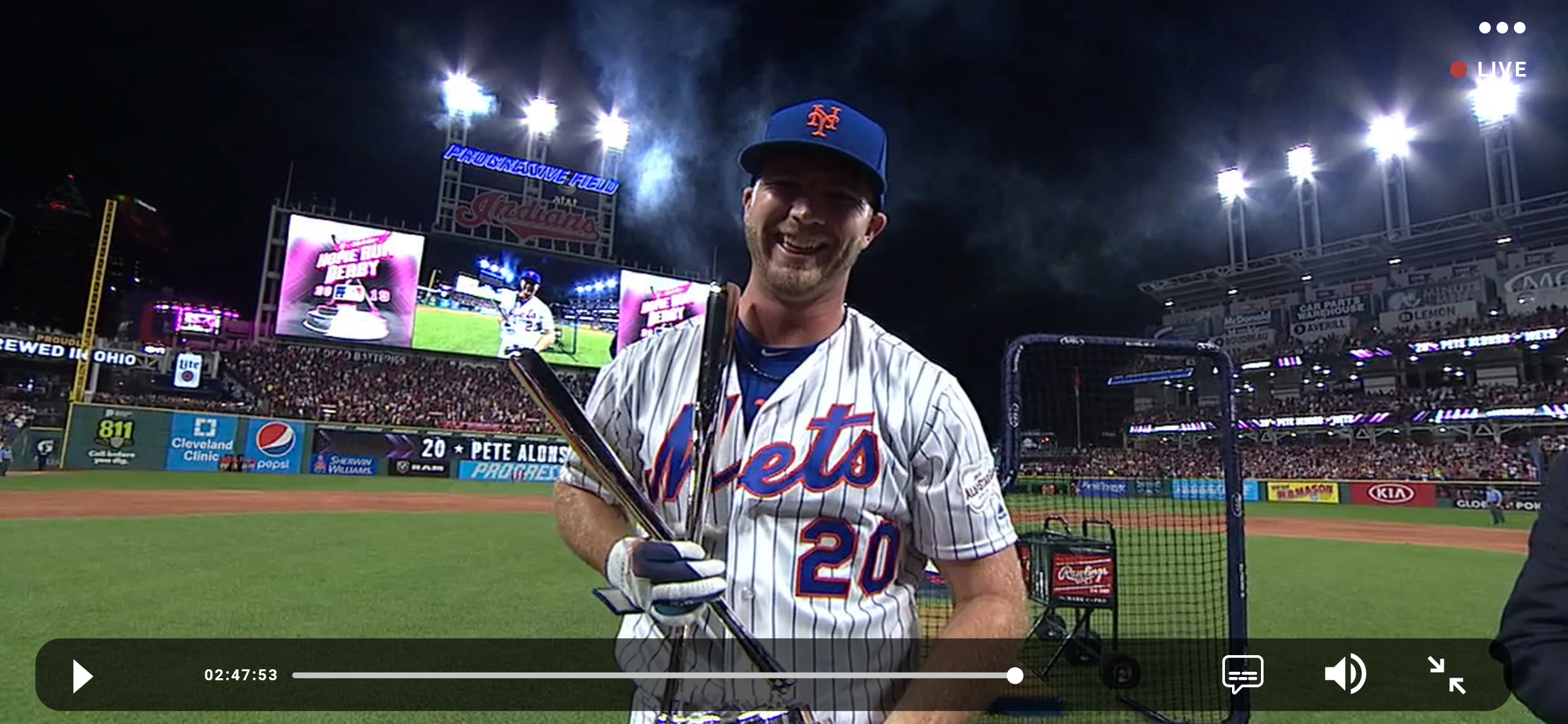
We targeted a final release on the day of our last run-through at Coors Field. Once this test passed with flying colors, we pushed submit and held our collective breath until the Derby started a few days later. It’s an immense understatement to say we were relieved when the first augmented reality ball trails started appearing in living rooms all over America a few seconds after the same happened onfield in Colorado.
70K
INSTALLS
4.6/5
RATING ON EVENT DAY
#9
IN SPORTS
Marketing
In addition to defining, leading, and building the MVP, I also led creative development on the marketing side. I drove key messaging and worked off my initial pitch to develop a key art asset that was used across all marketing channels. I worked with our internal design services department to deliver a new App Icon and product logo in a few weeks of iteration.
I created the Featured Art asset used in our promotional period with Apple.
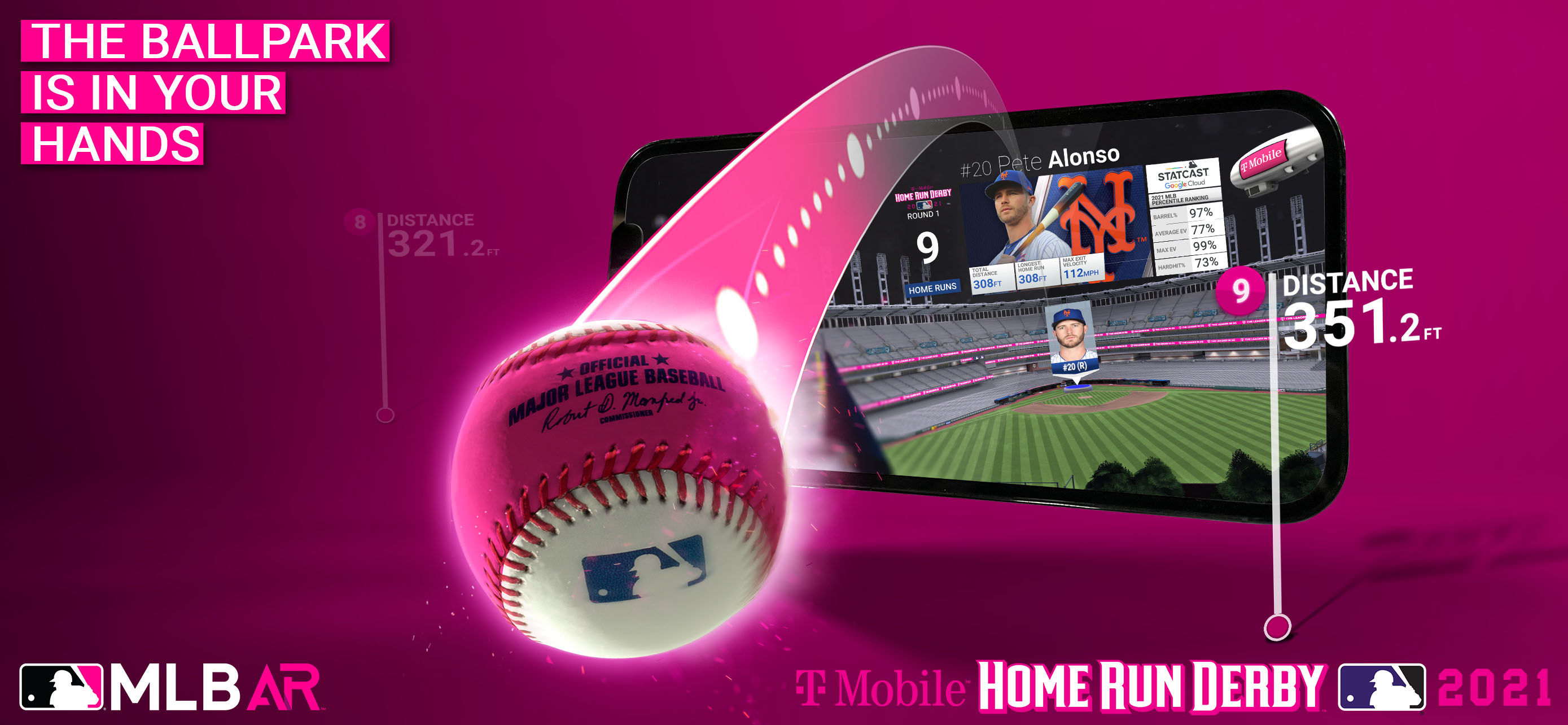
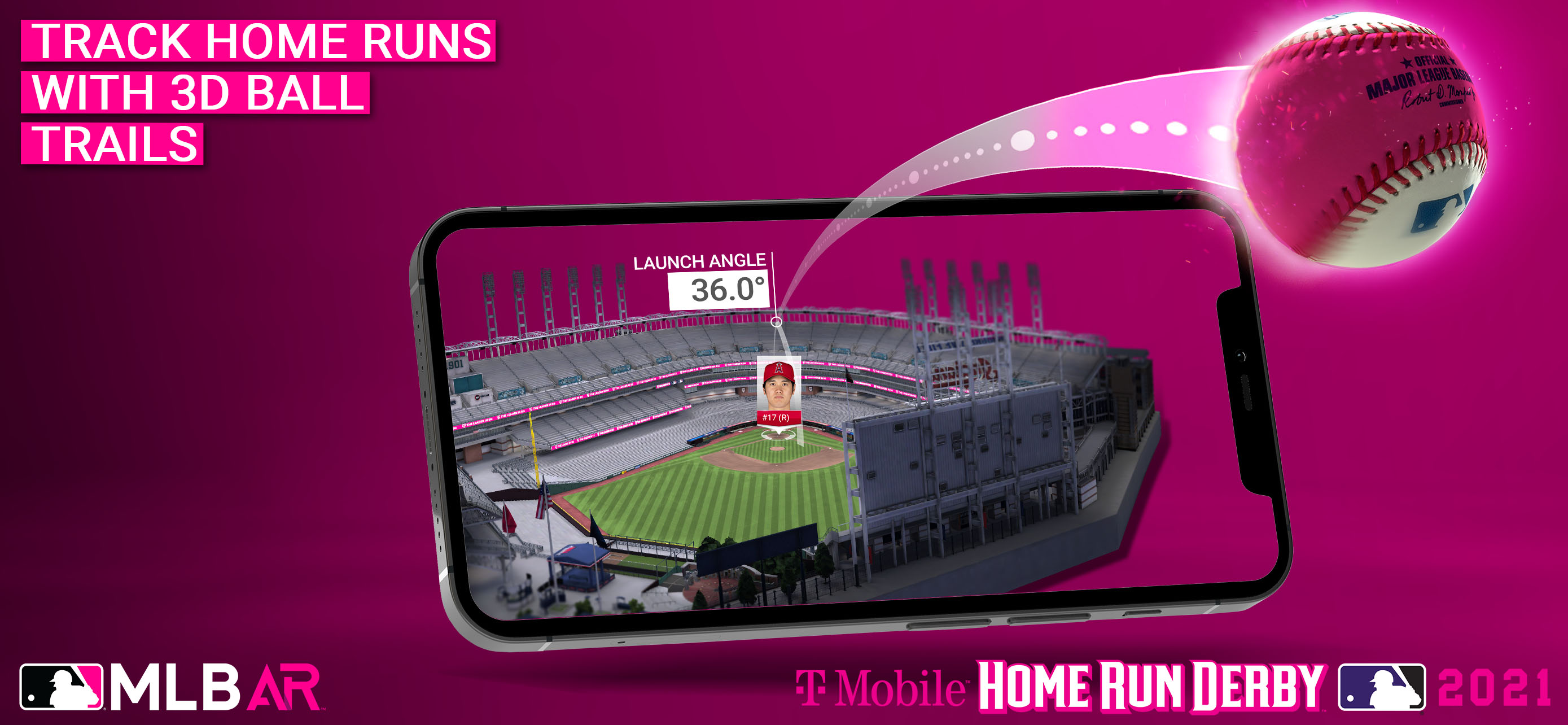
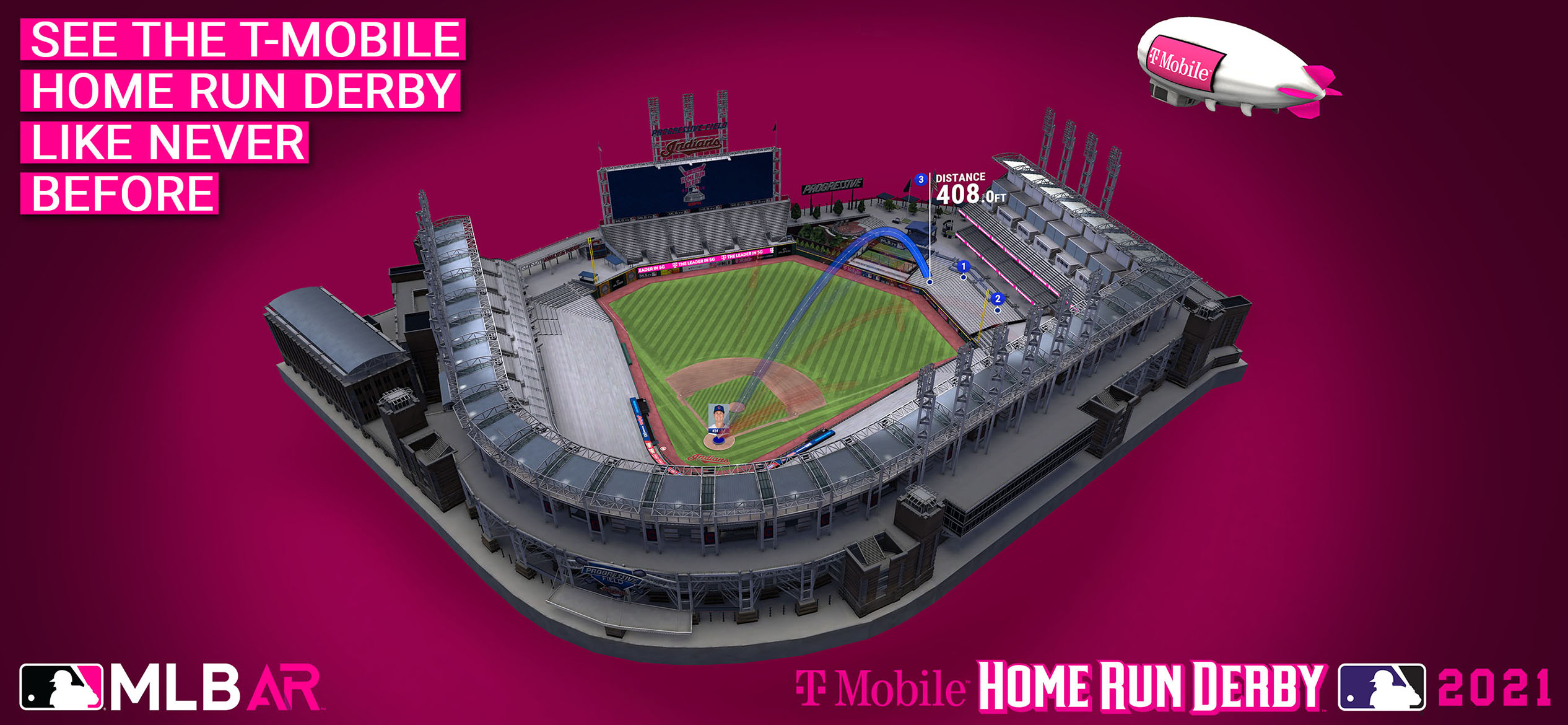
I directed a 30 second TV commercial that aired in the week leading up to the event and live on ESPN on the day of the event. This included building stakeholder consensus and also pitching in on several shots in the piece in After Effects and Maya. I was also able to use Unity’s offline render tech to capture ingame assets on green screen to speed up final composite.
I was incredibly lucky to work with an insanely talented team of broadcast designers, producers, and support staff to turn around a broadcast quality piece in about a week.